
BONARES
The history of Bonares dates back to antiquity, with remains such as Roman necropolises and the Visigothic tombstone of Bishop Vincomalos, dated 509, which reflect the early settlement of the area.
Following the Christian conquest, in the 13th century the territory was reorganized within the new feudal framework, and in 1369 it became part of the County of Niebla, a development that shaped its administrative and political evolution throughout the Middle Ages.
In the 17th century, Bonares experienced a period of significant population and urban growth, eventually even surpassing Niebla itself in population.
During this period, important structures such as the parish church and the San Sebastián Chapel—built in 1695—were completed, strengthening the town’s religious and social identity.
In the 20th century, local history records significant events such as the great flood of 1958, an event that profoundly shaped the municipality’s recent history and is part of its collective memory.
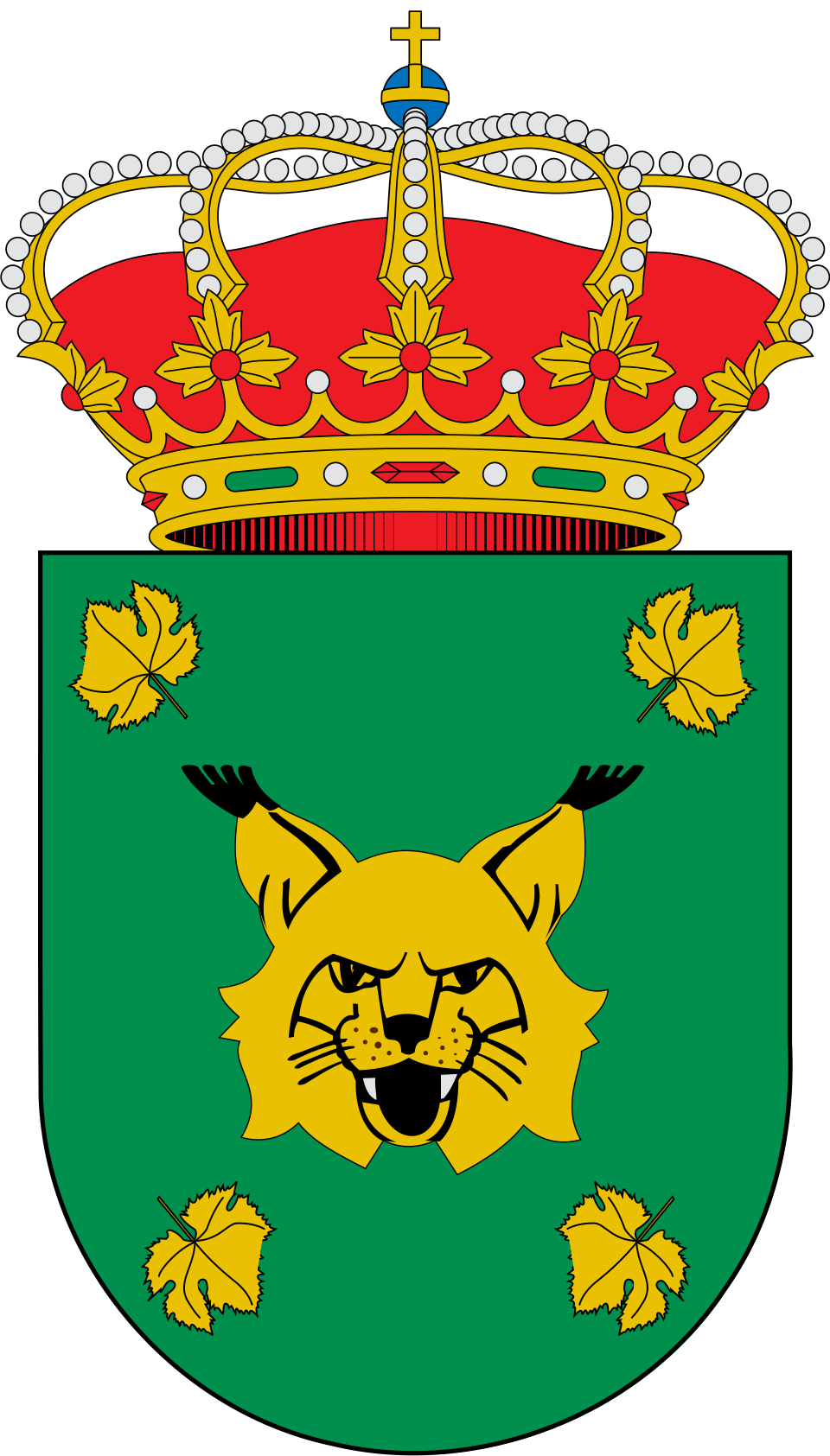
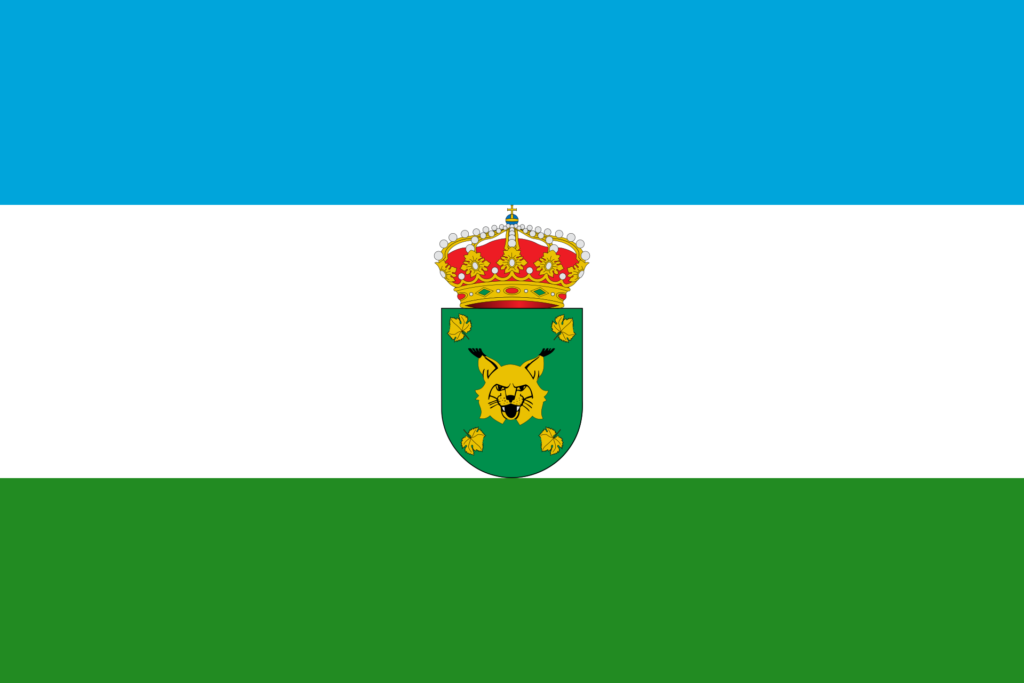
THE MUNICIPALITY AND ITS SURROUNDINGS
TRADITIONS
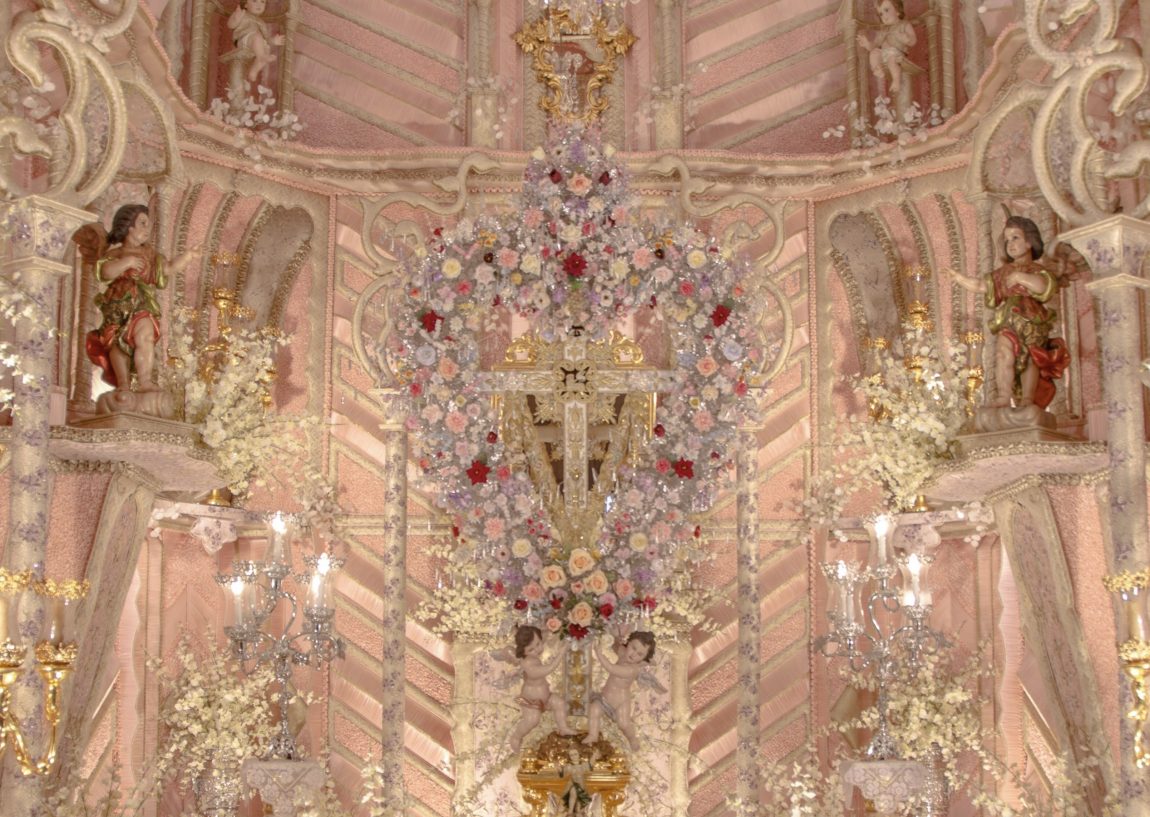
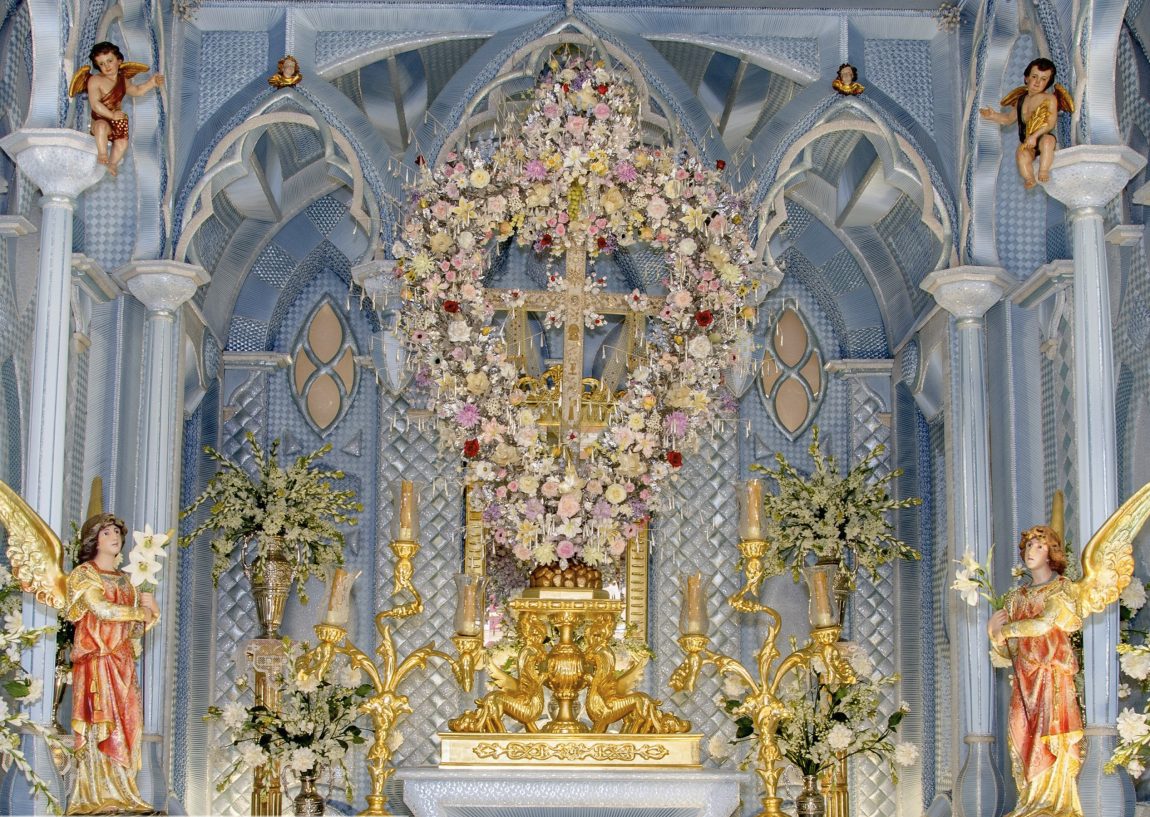
The Cruces de Mayo is the municipality’s most important festival, with a history dating back more than 200 years; it has been designated a Festival of National Tourist Interest. Throughout the month of May, residents set up as many as 12 cross-altars throughout the various neighborhoods, transforming the town into a vibrant, colorful pilgrimage route.
One of the most distinctive features of this celebration is the handcrafted creation of the shrines that house the crosses, which are decorated by hand using a unique technique involving satin fabric and thousands of pins, creating compositions of great visual richness.
Other highlights of the festival program include Sweet Treats Day and the Little Crosses, a children’s procession that allows the youngest participants to take part in the tradition.
Various traditional singing and dancing events are also held, which reinforce the festival’s folk character and keep the town’s cultural essence alive.
In October, the town celebrates its patron saint festivities in honor of Saint Mary Salome, with the main event taking place on October 22, when the town is filled with festival booths, a sense of community, and a festive atmosphere, making it one of the main gathering places for residents and visitors alike.
FUN FACTS
The origin of the name Bonares may be linked to the term “bodonales,” which referred to marshy land, and evolved over time through the pronunciation typical of the Andalusian dialect.
The municipality is also home to the “El Villar” arboretum, a natural area of great scientific and botanical value with nearly 70 hectares dedicated to the study and cultivation of different varieties of eucalyptus, making it a unique site.
It has a rich archaeological history, with Tartessian, Roman, and Visigothic influences.
The tombstone of Bishop Vincomalos, dating from the year 509, stands out as one of its most significant discoveries.
Finally, its winemaking tradition remains very much alive, as the region is known for its fruity wines and mistelas, which are an integral part of its local cuisine, especially during traditional celebrations such as the Tortas de Pascua.
