
LEPE
The history of Lepe dates back to ancient times, with a tradition that traces its origins to Phoenician settlements from the 9th century B.C., which took advantage of the town’s proximity to the Piedras River as a strategic trading hub. Later, the Romans and Visigoths also left their mark on the region.
During the era of al-Andalus, the municipality experienced significant growth, establishing itself as an important center within the Taifa of Niebla and strengthening its role in the organization of the coastal region.
After the Reconquista, Lepe came under the rule of various powers, including the Knights Templar, until it eventually came under the control of the House of Medina Sidonia, one of the most influential families in the region.
During this period, the town maintained its connection to the sea and seafaring, with sailors taking part in the great Atlantic voyages of the 15th century.
In modern times, Lepe has successfully reinvented itself, transitioning from a traditional agricultural economy to become one of Europe’s leading centers for strawberry cultivation. Today, tourism and the development of areas such as Islantilla have driven its economic growth and raised its profile abroad, establishing the municipality as a key destination on the Huelva coast.

THE MUNICIPALITY AND ITS SURROUNDINGS




TRADITIONS
Lepe celebrates its traditions with strong community participation, where devotion, music, and a festive atmosphere are an essential part of the town’s identity.
The Romería de la Bella is one of the town’s most important celebrations and one of the major local devotional traditions. Every year, thousands of pilgrims accompany the Virgin of La Bella to her chapel in the El Terrón area, on a day marked by a spirit of togetherness and popular devotion.
In August, the town celebrates the Patron Saint Festivities of La Bella and San Roque, which combine religious ceremonies with concerts, festival booths, fireworks, and a festive atmosphere that fills the town’s streets for several days.
Holy Week is notable for the solemnity and devotion with which the people of Lepera participate in the various processions, in an atmosphere of respect and deep-rooted tradition.
The Lepe Carnival rounds out the festival calendar with competitions featuring performance groups, chirigotas, comparsas, and street parades, making it one of the liveliest and most popular events in the province.
FUN FACTS
Lepe is known for a very unique story featuring Juan de Lepe, a local sailor who, according to legend, traveled to the court of Henry VII of England and won a card game against the king, receiving as a prize one day’s revenue from the British Crown and the curious title of “little king of England.”
The origin of the town’s name is associated with the Latin word *lepus*, which means “hare”—a reference that has endured over time as part of the town’s identity.
Devotion to the Virgin of La Bella is also part of the town’s folk history. In the 19th century, when an attempt was made to move the image to another town, the residents strongly opposed it and returned it to the Church of Santo Domingo de Guzmán, thereby reinforcing its deep-rooted religious significance.
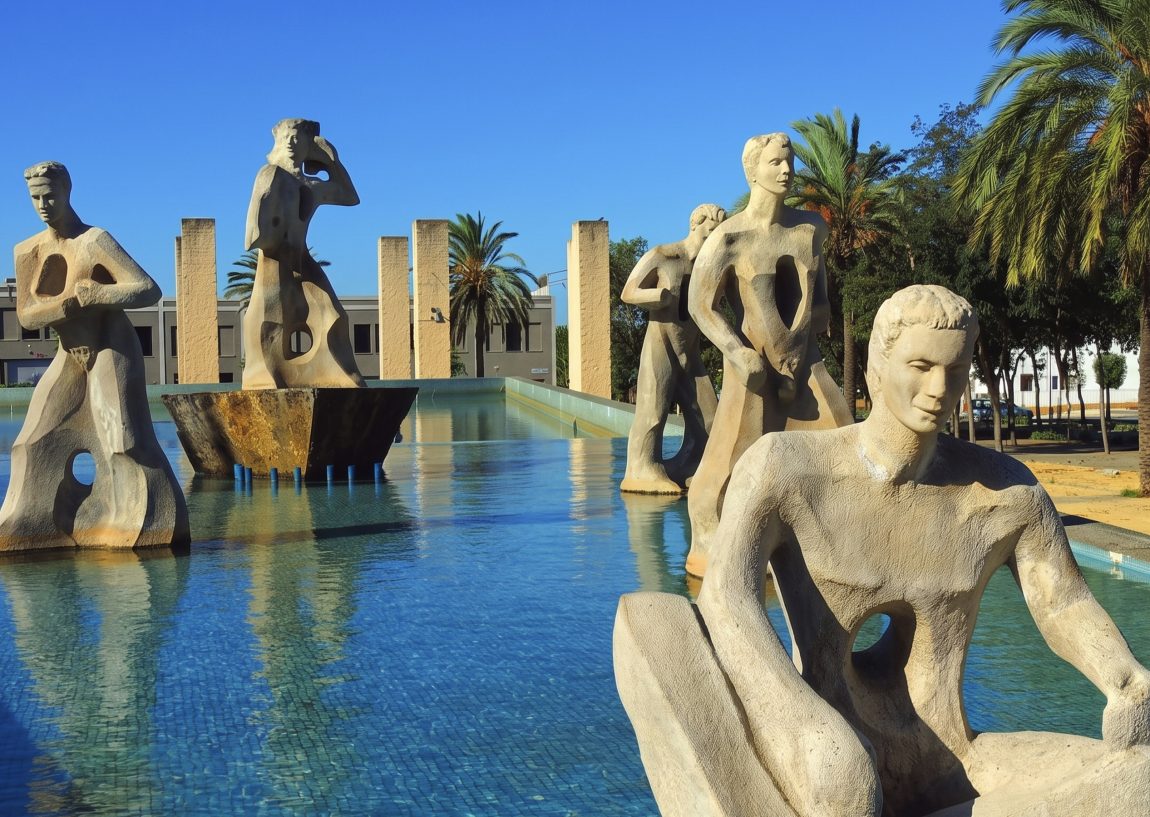
Lepe also has a rich seafaring tradition, with figures linked to the history of great ocean voyages, and a strong historical connection to the sea and Atlantic navigation.
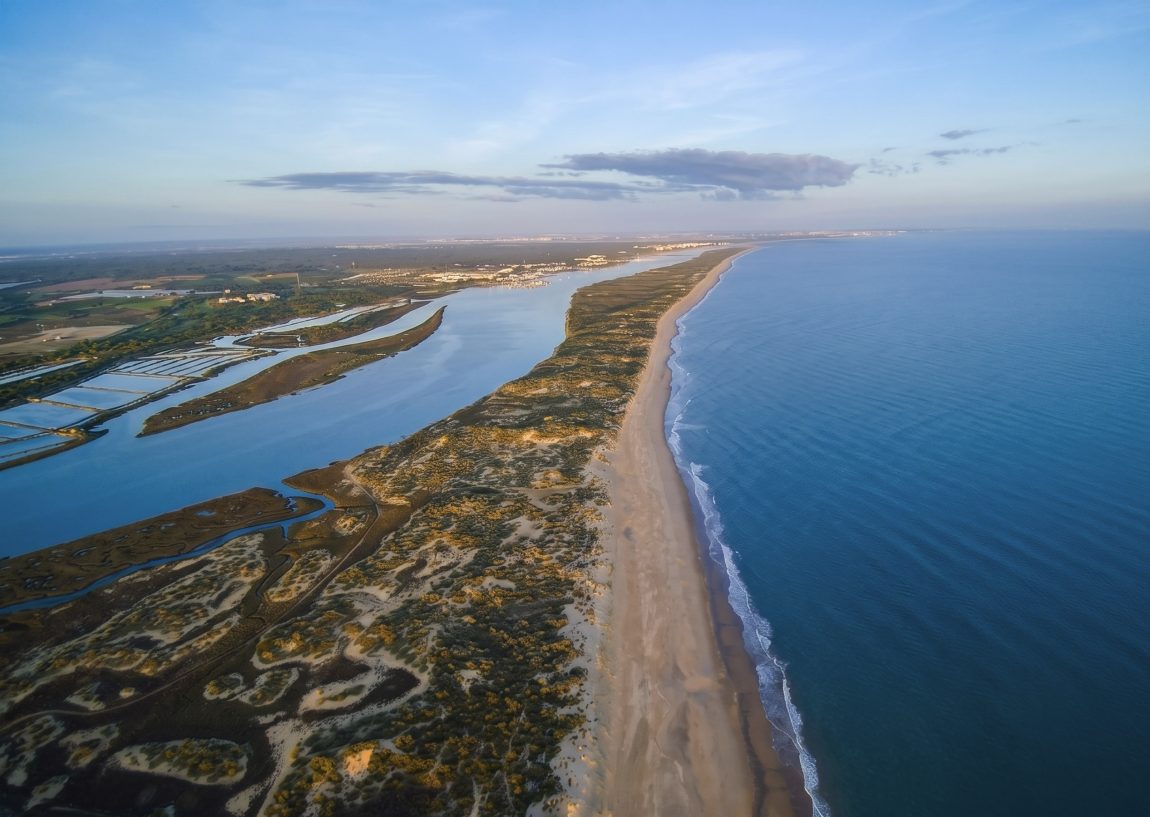
Today, it is known for its exceptional natural surroundings, with more than 15 kilometers of coastline featuring notable spots such as La Flecha de Nueva Umbría and La Antilla Beach.
