
PUNTA UMBRÍA
The history of Punta Umbría has its origins in a small fishing village, whose development was closely linked to the sea and the construction of a watchtower in the 16th century. Although it gained administrative independence on April 26, 1963, when it separated from Cartaya, the municipality has a much longer history.
The earliest traces of human settlement date back to Roman times. Archaeological sites such as El Eucaliptal provide evidence that marine and fishing resources have been exploited since ancient times, taking advantage of the natural abundance of the Huelva coast.
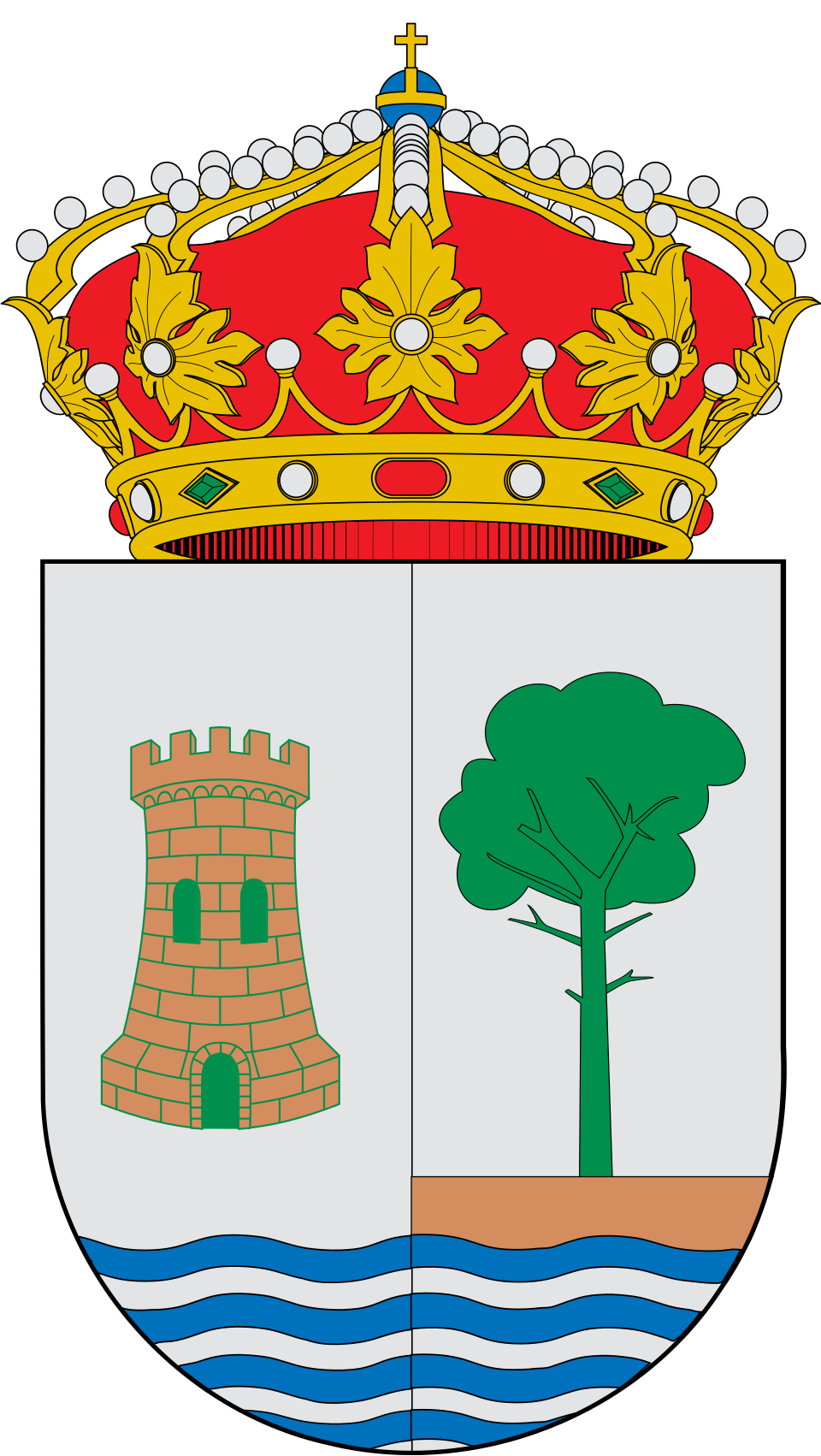
During the 16th century, the Almenara Tower was built as part of the defensive system designed to protect the coastline from attacks by Barbary pirates. Surrounding it were only a small watchtower and a few fishermen’s huts, which formed the origins of today’s town center.
Between the 19th and 20th centuries, Punta Umbría experienced significant growth thanks to the presence of the Rio Tinto Company. British employees began using the town as a summer retreat because of the therapeutic properties attributed to its climate and beaches, leaving behind a legacy of distinctive wooden houses built on stilts—a feature that remains an integral part of the town’s identity to this day.
The history of Punta Umbría also gained international significance during World War II. In 1943, its shores were the scene of the famous Operation Mincemeat, known as “The Man Who Never Was,” when a local fisherman found the body of the supposed British officer William Martin, a key figure in one of the most important counterintelligence operations of the war.

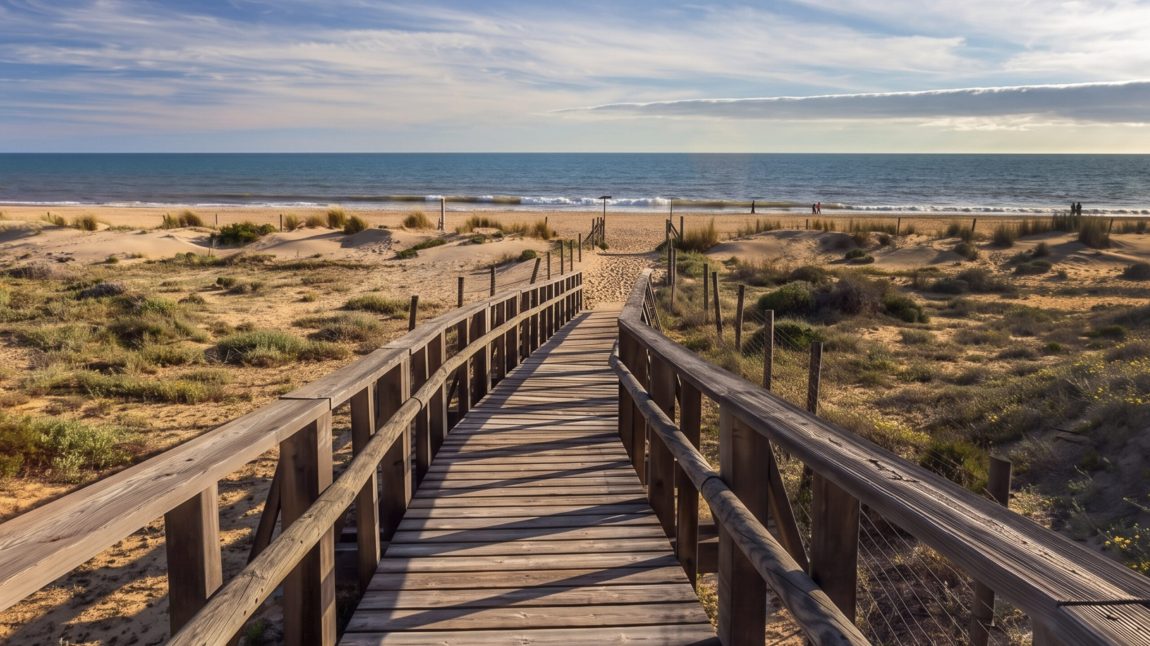
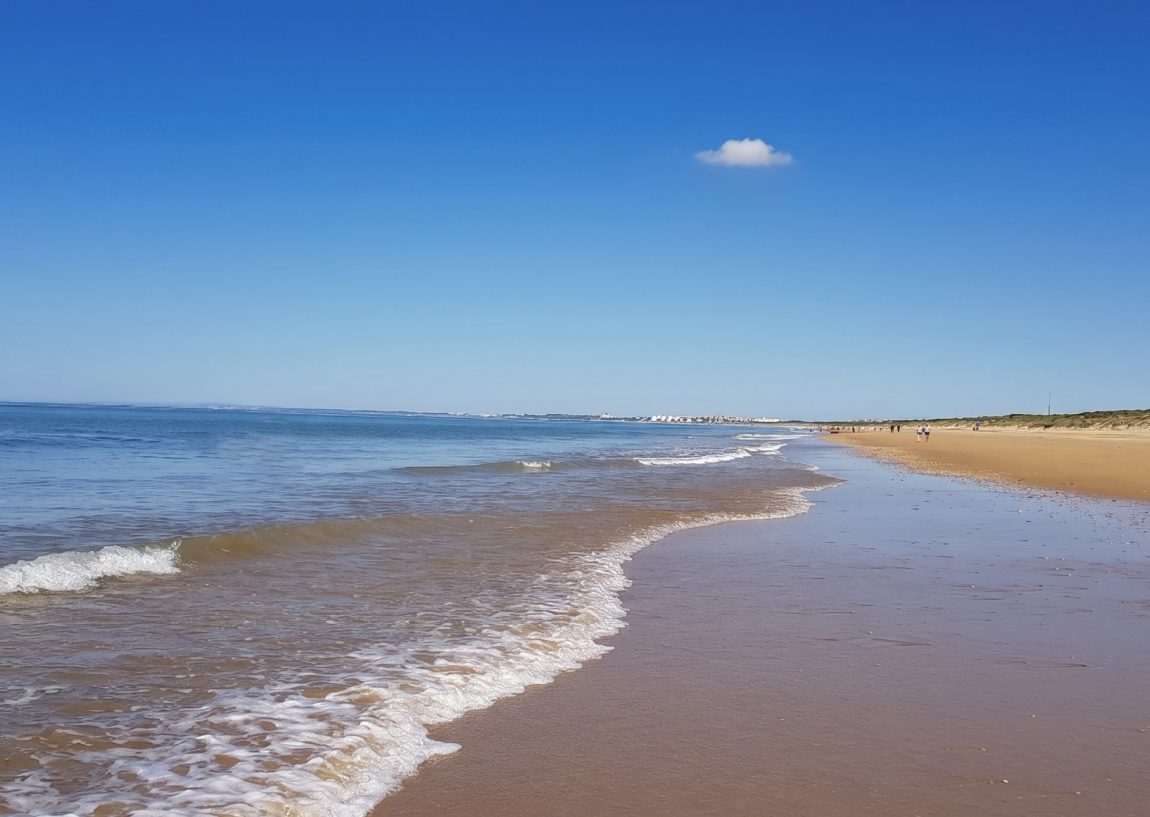
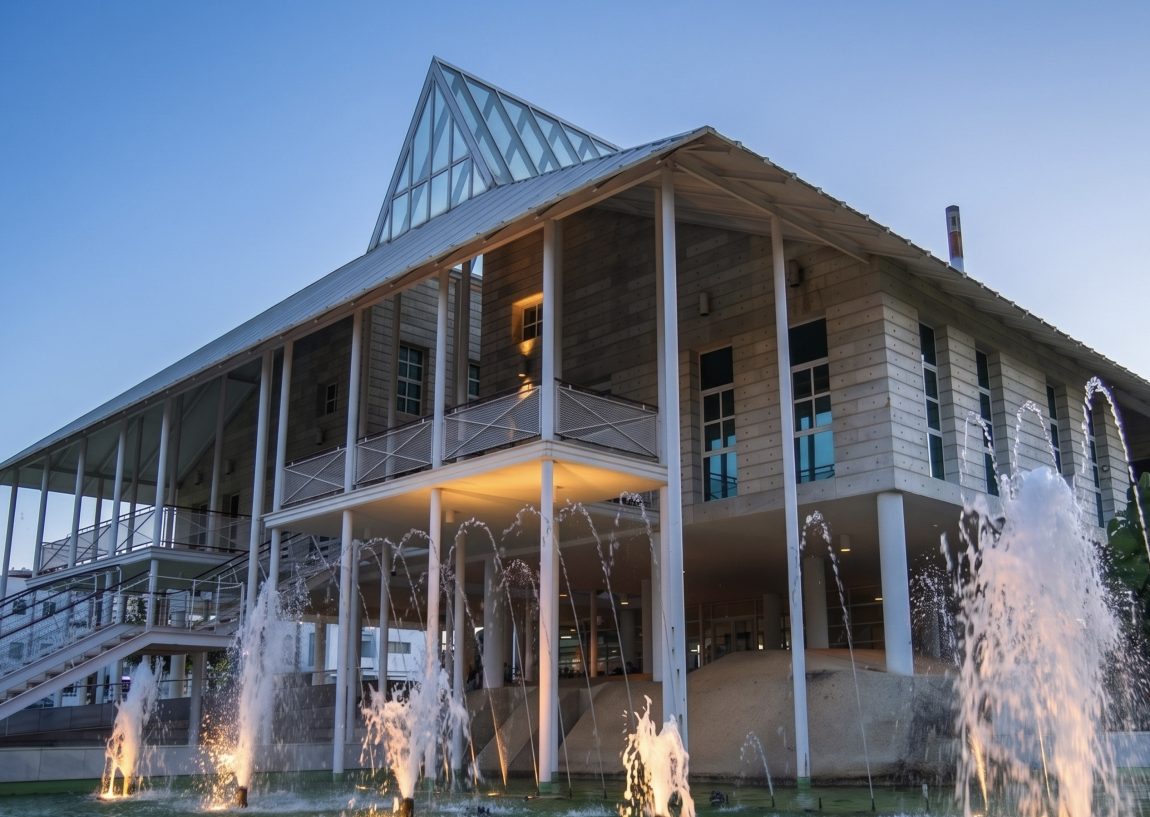
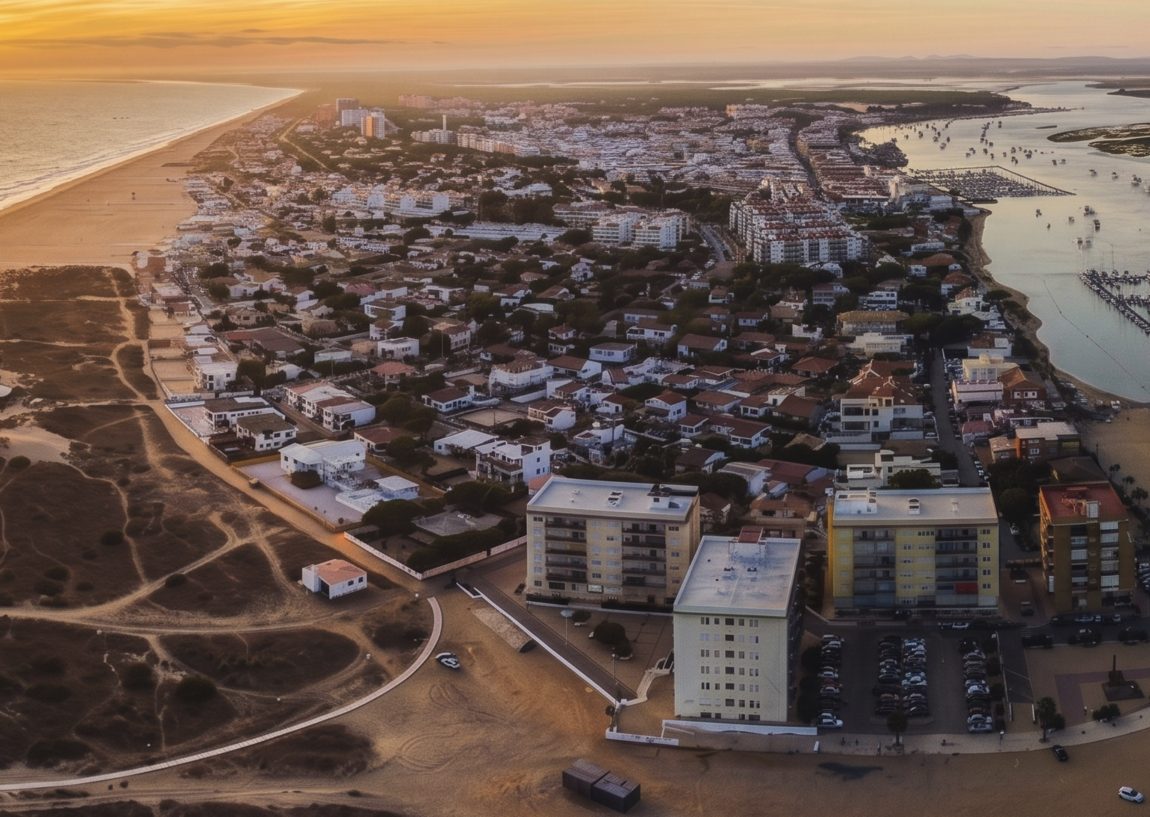
THE MUNICIPALITY AND ITS SURROUNDINGS
TRADITIONS
Punta Umbría’s main celebrations are deeply rooted in the sea, the fishing tradition, and the participation of its residents, with a festival calendar that combines religious devotion, cuisine, and a lively, festive atmosphere.
The Fiestas del Carmen, held in honor of the patron saint of fishermen, are one of the most important events of the year. The celebration culminates in a moving river procession along the estuary, during which the statue of the Virgin of Carmen is accompanied by numerous boats, reflecting the town’s close connection to the sea.
Every spring, the National Shrimp, Clam, and Anchovy Fair is held—one of the province of Huelva’s major culinary highlights. For several days, Plaza Pérez Pastor brings together locals and visitors to sample fresh seafood from the coast in a festive atmosphere.
The Pilgrimage of the Holy Cross takes place every May 1 and is known for its festive atmosphere, the pilgrims’ procession, folk dances, and traditional events such as the Torch Rosary, making it one of the municipality’s most deeply rooted celebrations.
The festival calendar is rounded out by Carnival, which fills the streets with dance troupes, satirical comedy groups, and costume parades in late February or early March, and by Holy Week, which features some of the town’s most iconic processions, such as La Borriquita, the Cristo de Pasión y Esperanza del Mar, and the Santo Cristo del Mar alongside the Virgen de los Dolores.
FUN FACTS
Punta Umbría is home to a history full of fascinating facts that combine historically significant events of international importance, a significant British legacy, and a natural environment of great ecological value.
One of the most surprising events took place in 1943, when a local fisherman found the body of the alleged British major William Martin off the coast. The documents he was carrying were part of Operation Mincemeat, one of the most famous counterintelligence operations of World War II, which succeeded in deceiving the Nazi high command about the Allied landing in Sicily.
British influence is also part of the town’s identity. In the late 19th century, the Riotinto Mining Company built several colonial-style villas in Punta Umbría for its executives, including the iconic Casa de los Ingleses, which today preserves that historical legacy as a museum.
Until April 26, 1963, Punta Umbría was administratively part of the municipality of Cartaya. Its independence marked the beginning of a new era for a town that had already established itself as one of the province’s leading coastal destinations.
Its natural and culinary riches round out the town’s character. The nearby Odiel Marshes Natural Area is home to one of Europe’s largest populations of spoonbills and numerous colonies of flamingos, while products such as white shrimp, coquina clams, and chirla clams make Punta Umbría one of the leading destinations for Huelva’s seafood cuisine.
