
The history of Almonte is deeply intertwined with its natural surroundings and one of Andalusia’s most important religious devotions. Its origins date back to the Middle Ages, and its name comes from the combination of the Arabic article al- and the Castilian word monte, reflecting the diverse cultures that have passed through this region.
The town’s identity is closely linked to the Virgin of El Rocío, who was named the town’s patron saint in 1653. Since then, devotion to El Rocío has shaped the social, cultural, and religious life of Almonte, becoming one of the town’s main symbols.
During the Modern Era, the town was under the influence of the Dukes of Medina Sidonia and experienced gradual growth that left its mark on its historical heritage. Among the sites that preserve this history, the Molino de Cepeda stands out—a former oil mill that has now been converted into a museum and interpretation center for local culture.
Throughout the 20th century, Almonte gained international recognition thanks to the significance of its natural surroundings, particularly with the development and protection of the Doñana area, one of Europe’s most important ecosystems. In addition, places such as El Rocio Matalascañas have helped establish the municipality as one of the leading cultural, tourist, and natural destinations in the province of Huelva.
Today, Almonte combines tradition, heritage, nature, and international prominence, keeping its roots alive while remaining one of the most representative municipalities in the province of Huelva.
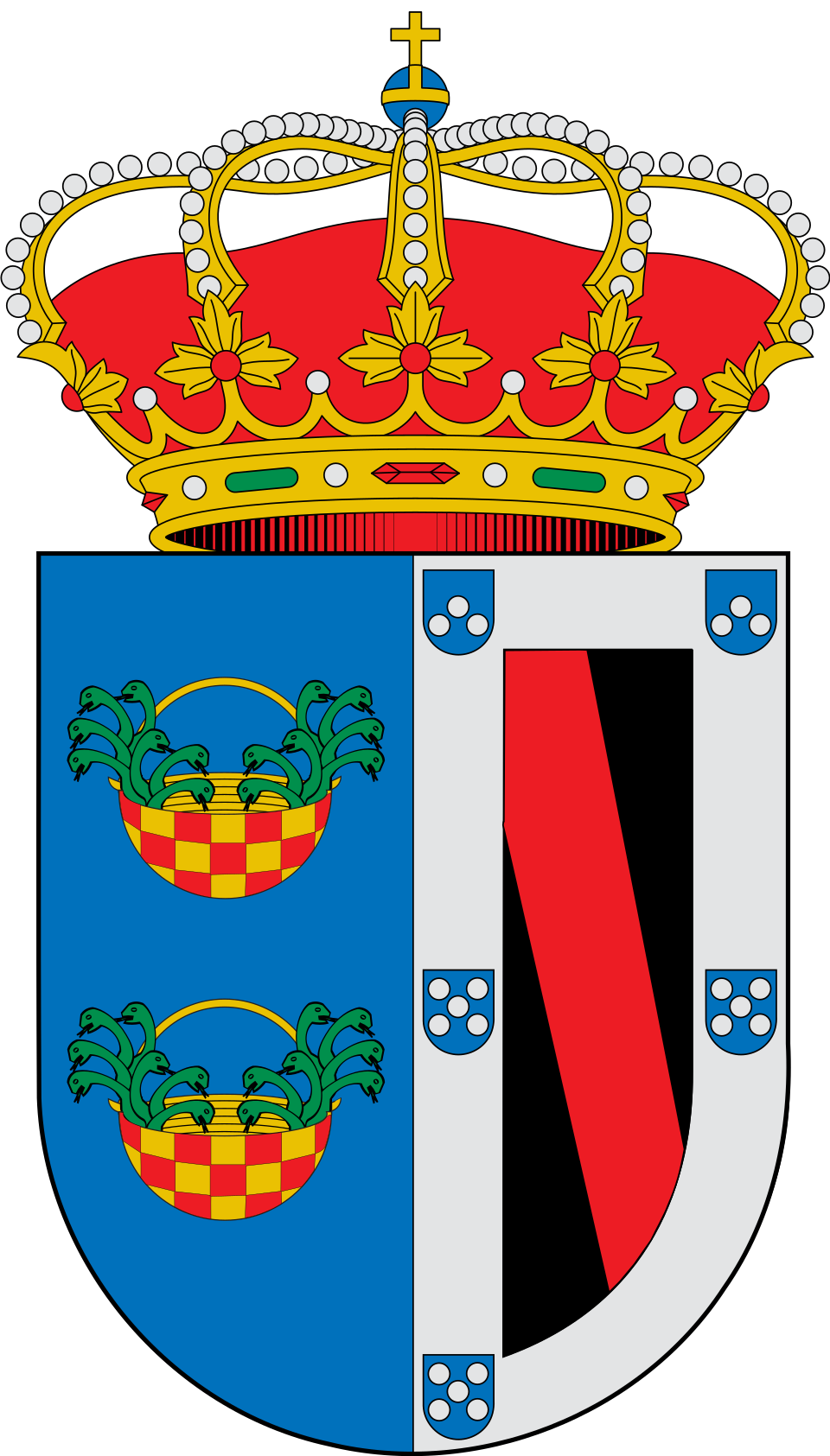
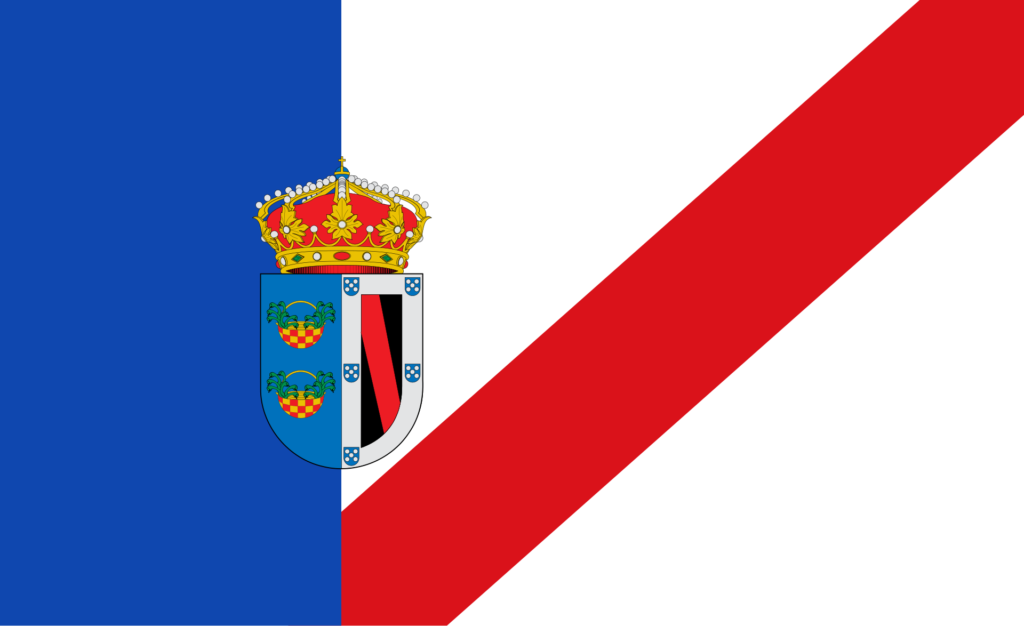
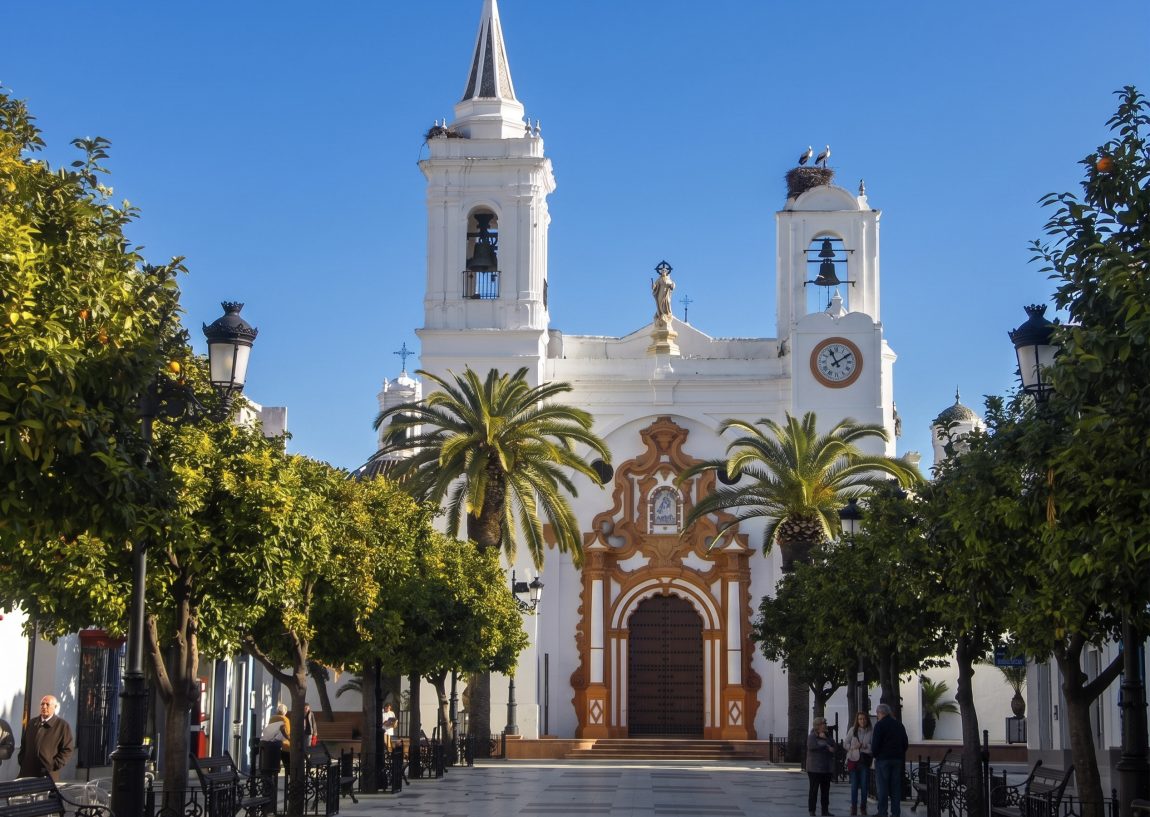
THE MUNICIPALITY AND ITS SURROUNDINGS
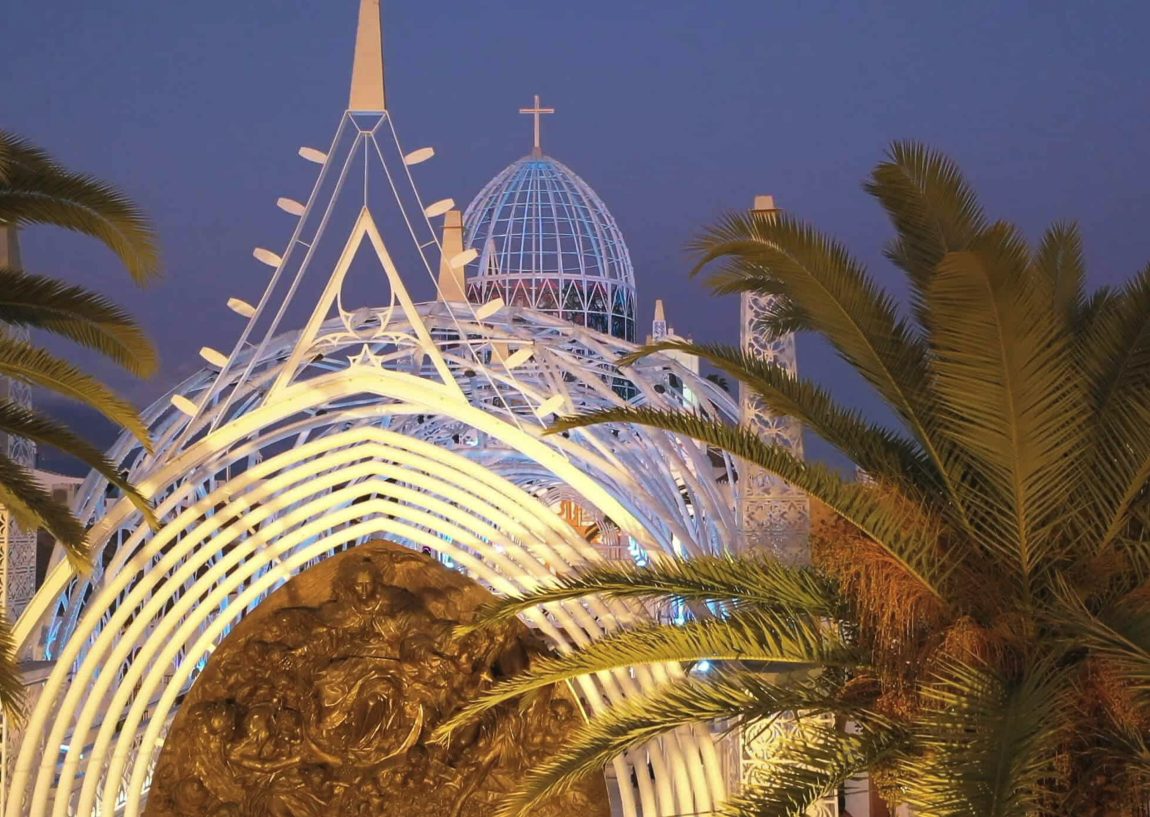
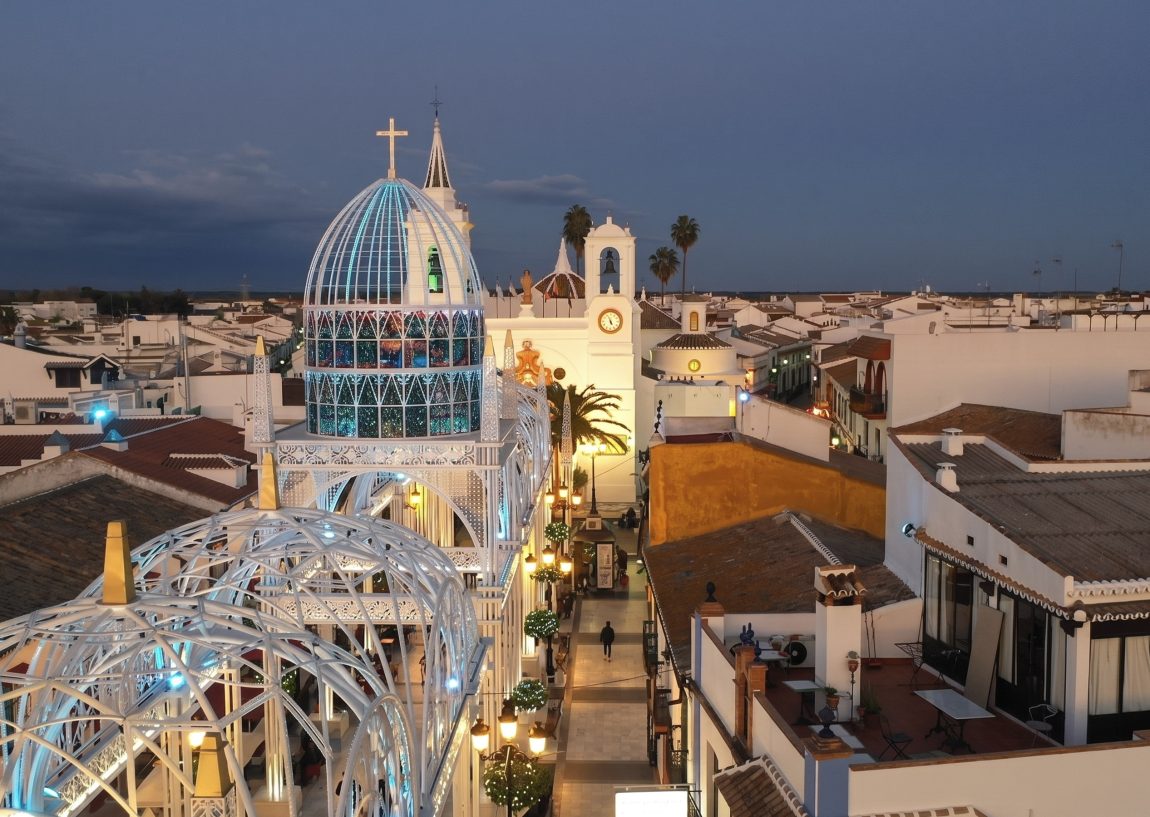
TRADITIONS
Almonte is known for having one of the longest coastlines in Spain, with more than 50 kilometers of uninterrupted beach—a unique landscape that combines nature, dunes, and the open sea.
It is also the largest municipality in the province of Huelva, covering more than 859 km², and is even larger in area than major cities such as Madrid.
One of the most unique events in its tradition is the “Coming” of the Virgin of El Rocío, who, every seven years, walks the route from her chapel to the town of Almonte.
This unique procession has been part of the local identity for centuries and is one of the most important events on the municipality’s religious and cultural calendar.
On its coast stands the iconic Torre de la Higuera, which now leans out over the sea and is popularly known as “el tapón,” a remnant of a defensive system of watchtowers built between the 16th and 17th centuries to protect the coastline from pirate attacks.
FUN FACTS
Almonte has a festival calendar deeply rooted in tradition, religious identity, and the natural environment, where these celebrations are an essential part of life in the town.
The El Rocio Pilgrimage El Rocio its most iconic event and one of the world’s most important celebrations of popular piety. Every Pentecost Sunday, thousands of pilgrims and religious brotherhoods arrive in the village of El Rocio making the pilgrimage, in a gathering marked by devotion and fellowship. In addition, every seven years, the traditional “Arrival of the Virgin” is celebrated, during which the statue is carried to the town center of Almonte.
Another of the most unique traditions is the Saca de las Yeguas, designated as a site of tourist interest, which is celebrated every June 26 in conjunction with the San Pedro Fair. During this event, the yegüerizos gather the Marismeña mares and their foals in Doñana and lead them to Almonte, in one of the most iconic scenes illustrating the bond between the town and its natural surroundings.
The San Pedro Fair, dedicated to the local patron saint, is held at the El Chaparral fairgrounds and features festive activities, a livestock fair, and the traditional ribbon races on horseback, keeping the town’s rural spirit alive.
The calendar is rounded out by the Cruces de Mayo, a tradition deeply rooted in neighborhood and community life, which continues to play a prominent role with the revival of historic celebrations in various neighborhoods and areas of the municipality.
