
HUELVA
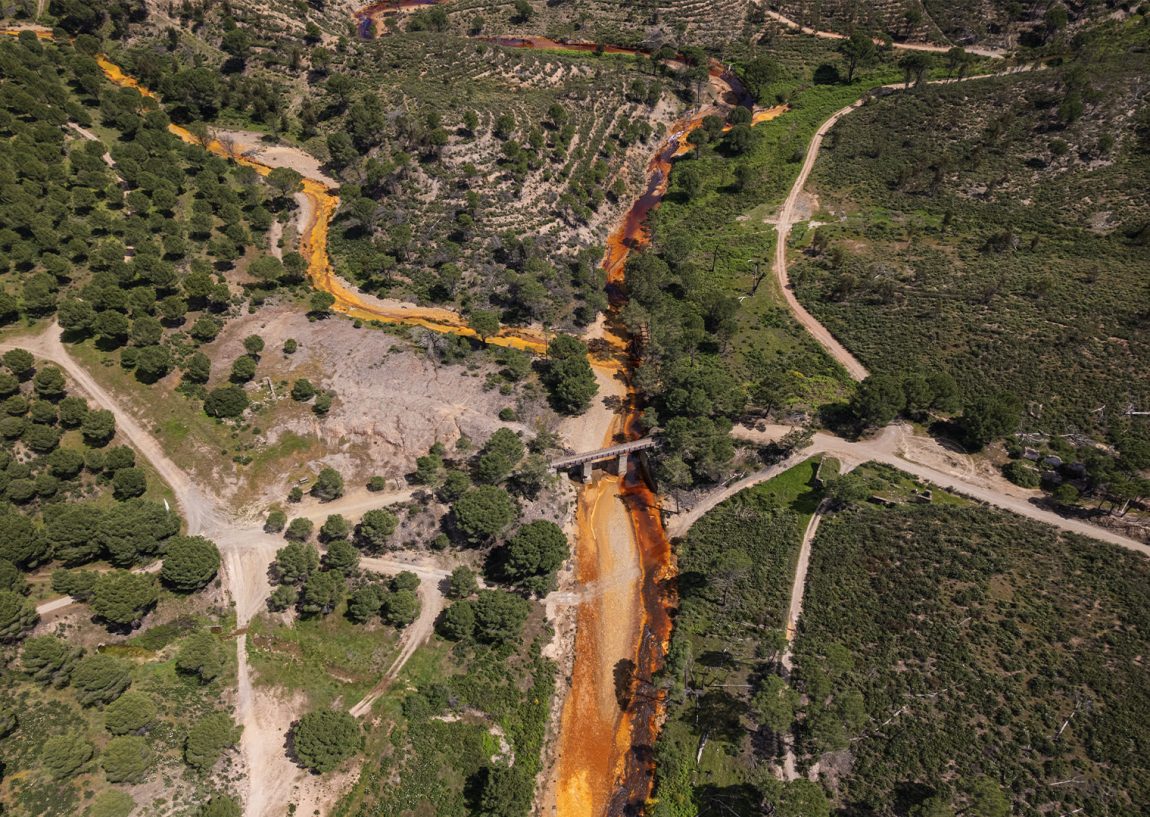
Huelva is one of the oldest cities in Western Europe, with more than 3,000 years of history. Its location between the Tinto and Odiel rivers made it, from its earliest days, a strategic hub for trade and the development of various civilizations, from the Tartessians and Phoenicians to the Romans, Muslims, and Christians.
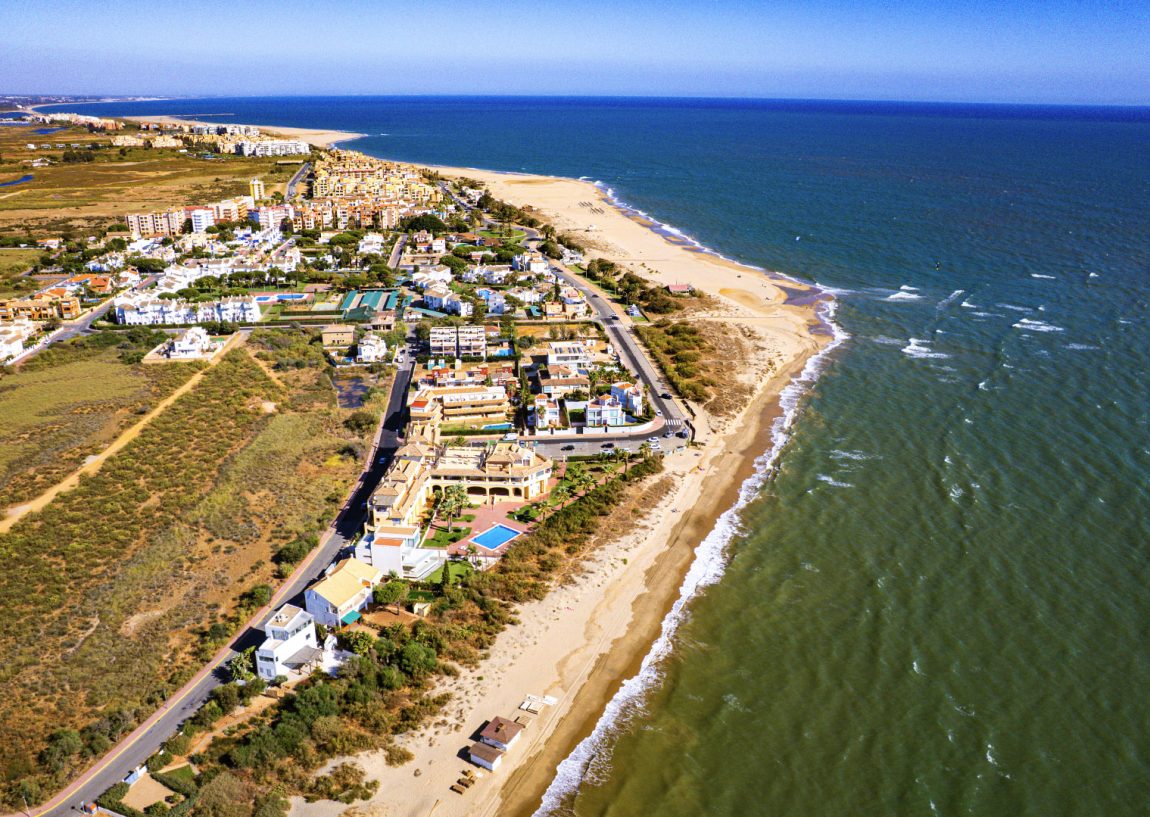
Over the centuries, the city has maintained a close relationship with the sea, port activities, and the mineral wealth of its surrounding area—factors that have shaped its development and character.
Its history reflects the influence of various cultures that found this region to be a key hub for trade and economic growth.
In modern times, the arrival of the mining industry and British influence spurred a major transformation of the city, leaving a mark that can still be seen in its heritage, its urban planning, and some of its most iconic landmarks.
Today, Huelva combines history, tradition, and modernity, serving as the heart of a dynamic province open to the world and one of the main venues for the Gañafote Cup.
THE MUNICIPALITY AND ITS SURROUNDINGS
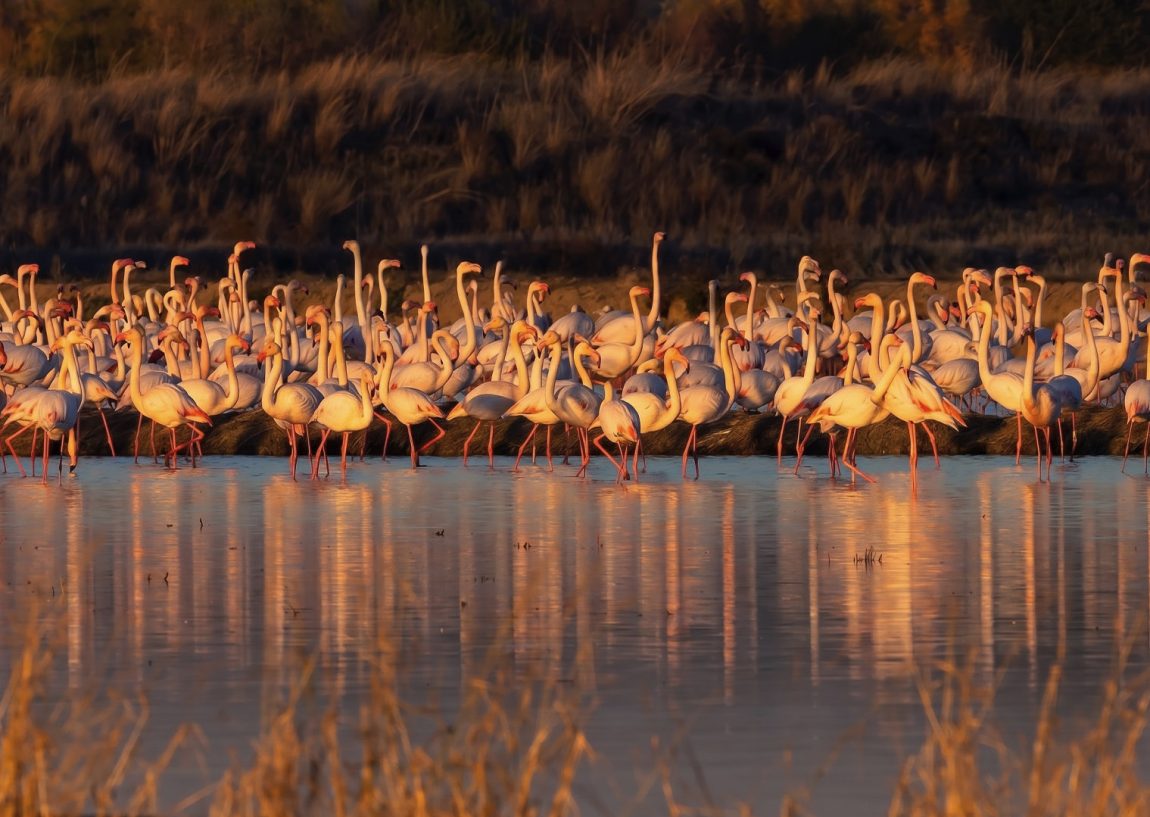
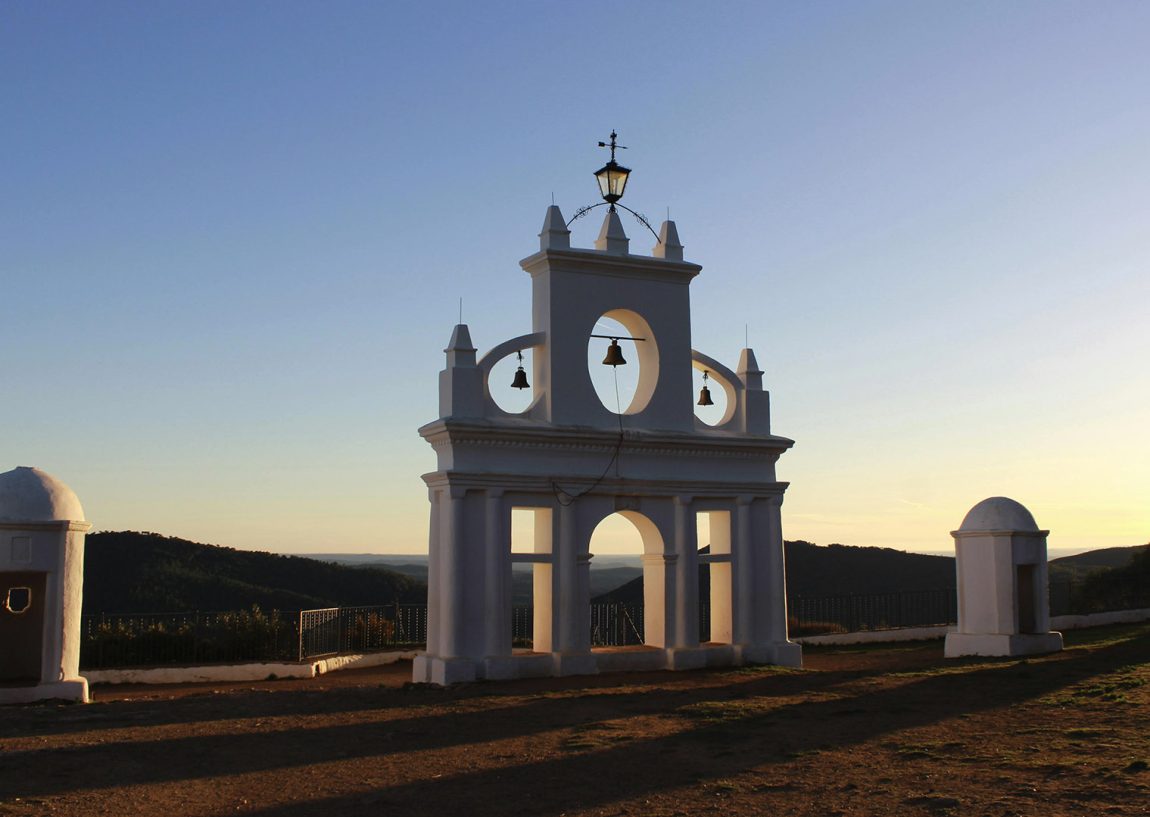
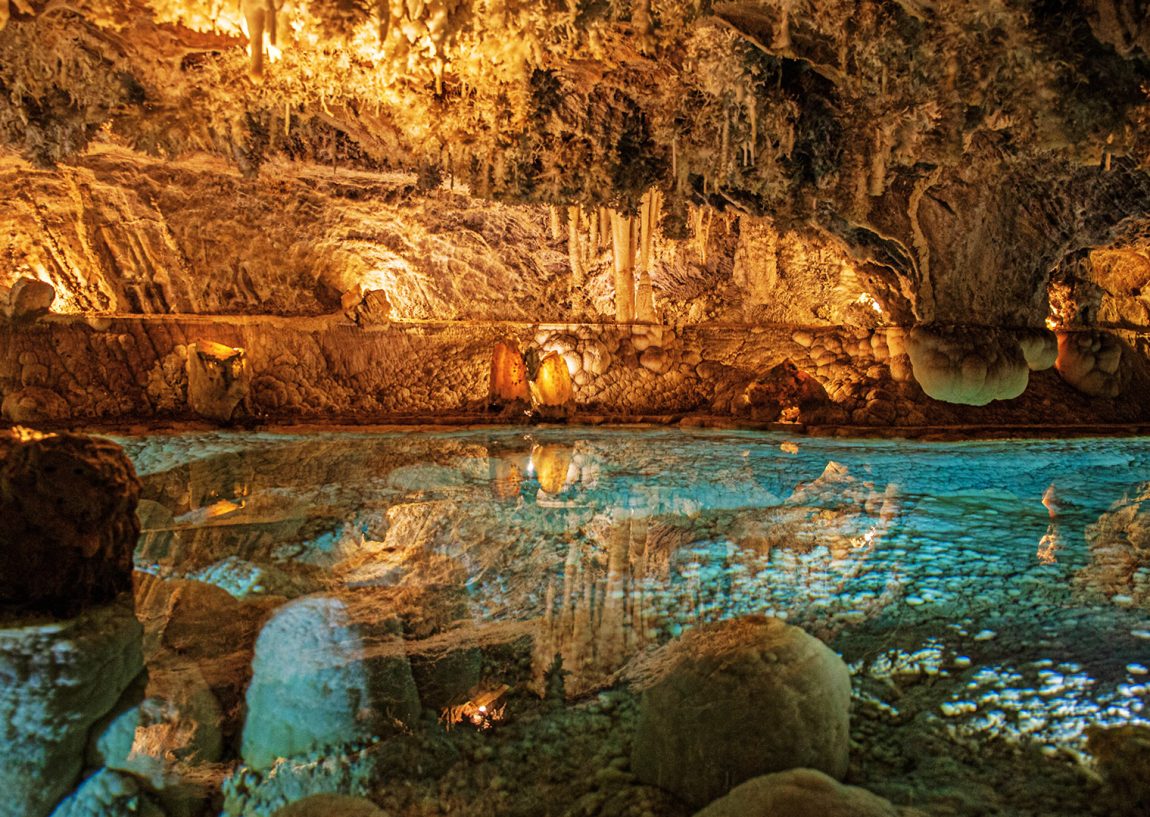
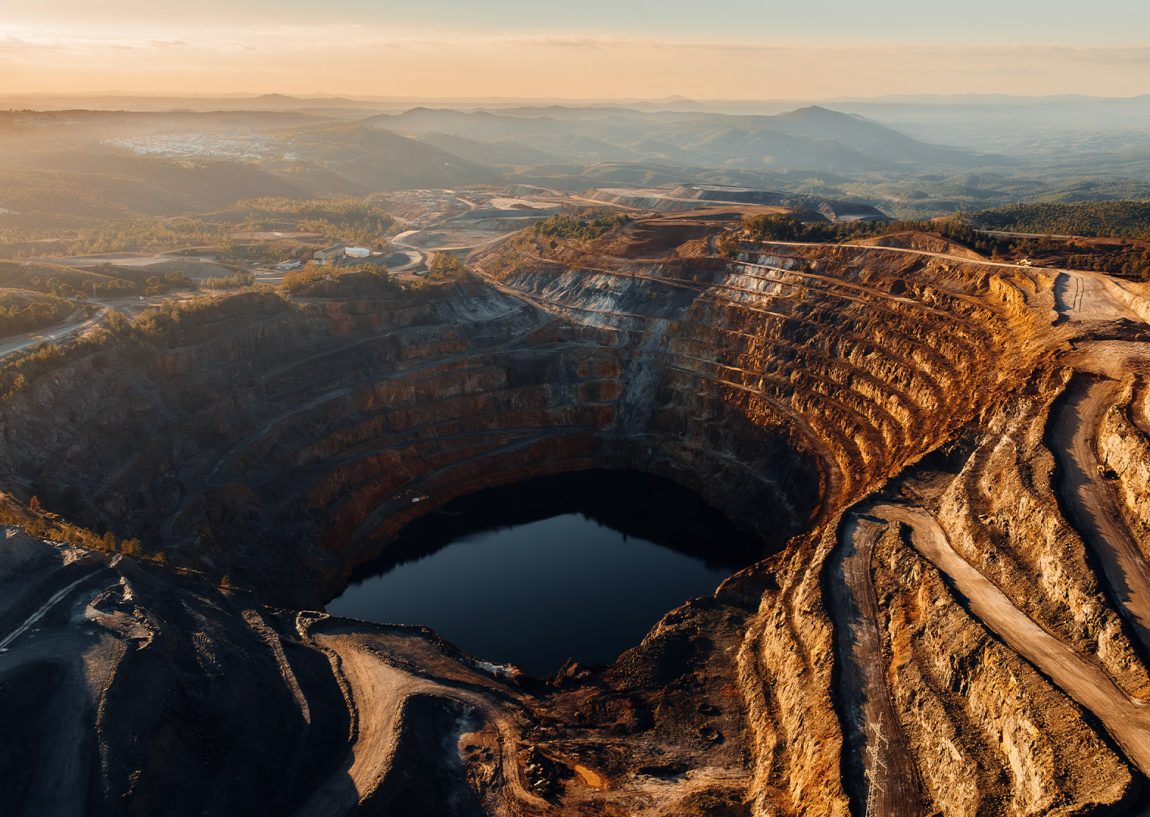
TRADITIONS
Huelva celebrates its festival calendar with great enthusiasm throughout the year, with celebrations that are an integral part of its collective identity and the life of the city.
The Fiestas Colombinas, held in early August, are the capital’s main festival and fill the city with music, festival tents, and a festive atmosphere, making them one of the highlights of the year for the people of Huelva.
Holy Week, designated a Festival of National Tourist Interest, is notable for its deep-rooted traditions and unique atmosphere, with religious brotherhoods parading through the streets of downtown in an atmosphere of deep devotion and tradition.
In September, the Fiestas de la Cinta are celebrated in honor of the city’s patron saint, the Virgen de la Cinta, with religious ceremonies, a procession, and community events that bring together a large portion of the city’s residents for one of the most special occasions on Huelva’s calendar.
The festival calendar is rounded out by the San Sebastián festivities in January, featuring the traditional procession between the Parish Church of San Sebastián and the Main Parish Church of San Pedro, and by the Colombino Carnival in February, one of the most popular cultural events, which culminates in the symbolic “Burial of the Choco.”
FUN FACTS
Huelva is considered one of the oldest settlements in the Western world. Archaeological remains found at sites such as Cabezo de San Pedro attest to the presence of civilizations such as the Tartessians, Phoenicians, and Romans, who made this territory a strategic location thousands of years ago.
The city is also known as the birthplace of soccer in Spain, since in 1889 British workers associated with the Riotinto Mines founded Recreativo de Huelva, considered the oldest club in Spanish soccer and a historic symbol of the sport in the country.
One of its most iconic sites is the Riotinto Company Wharf, a 19th-century structure of British origin that has now been transformed into a pedestrian promenade and is one of the most popular spots for watching sunsets over the Odiel River.
This pier is one of the city’s most important landmarks of industrial heritage and a key element in Huelva’s historical ties to mining and port activities.
Finally, Huelva retains a strong cultural identity, reflected in the nickname of its residents—known as “choqueros”—a reference to the cuttlefish, which highlights their close connection to seafaring traditions and local cuisine.
