
MOGUER
The history of Moguer dates back to the Muslim period, when the settlement flourished as an agricultural and commercial hub along the Tinto River. Its name appears to derive from the Arabic word *magur*, meaning “cave,” reflecting its ancient origins and its connection to the region.
Following the Christian conquest between 1239 and 1240 by the Order of Santiago during the reign of Ferdinand III the Saint, the town became firmly established within the new territorial order. In 1253, Alfonso X the Wise granted it the charters of Seville, thereby strengthening its organization and development.
During the 15th century, Moguer played a key role in Atlantic expansion as one of the “Lugares Colombinos” (Columbian Sites). Sailors such as the Niño brothers—including Pedro Alonso Niño and Juan Niño—set sail from its port; they were key figures in the preparation of Christopher Columbus’s expedition.
In this context, the Monastery of Santa Clara played a crucial role in supporting the Colombian enterprise, thereby cementing the town’s historical significance.
In the 20th century, Moguer gained great cultural prominence thanks to the poet Juan Ramón Jiménez, winner of the Nobel Prize in Literature, who immortalized the town in works such as *Platero y yo*, and in 1967 it was designated a Historic-Artistic Site.
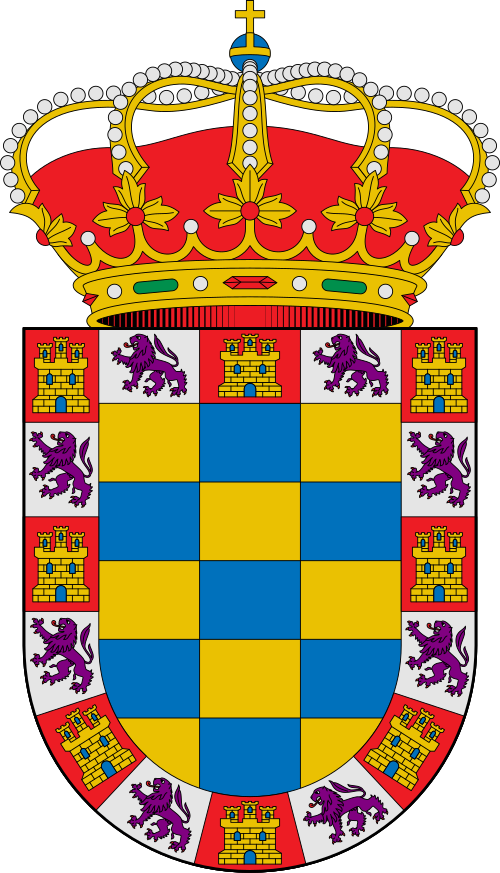

THE MUNICIPALITY AND ITS SURROUNDINGS


TRADITIONS
Moguer has a festival calendar deeply rooted in its history and traditions, where devotion, community spirit, and local identity are very much a part of life throughout the year.
One of its most unique celebrations is the Moguer 1900 Vintage Fair, held in late February. The town is transformed to recreate the atmosphere of the early 20th century—the height of Juan Ramón Jiménez’s era—with the historic district decorated for the occasion and residents dressed in period costumes.
The Pilgrimage of the Virgin of Montemayor, held on the second weekend of May, is one of the most important in the province. Set in a natural setting next to her chapel, it brings together thousands of pilgrims for a day of fellowship, faith, and tradition.
Another highlight of May is the Cruces de Mayo, a deeply rooted tradition in which religious brotherhoods and residents decorate the town’s streets, culminating in the procession of the eight crosses of Moguer.
The highlight of the festival calendar comes in September with the Evening Celebration and Patron Saint Festivities in honor of the Virgin of Montemayor. Over the course of several days, the city combines religious ceremonies, concerts, and a lively festive atmosphere at the fairgrounds, making it the most important celebration of the year.
FUN FACTS
Moguer is the birthplace of Nobel Prize in Literature laureate Juan Ramón Jiménez, author of *Platero y yo*, who described his town as a “white marvel.” His birthplace is now preserved as a house-museum, making it one of the most visited cultural sites in the municipality.
Moguer’s maritime history is also significant: the caravel La Niña, one of the ships that took part in Christopher Columbus’s first voyage, was built in its shipyards in the 15th century, reinforcing its connection to the great Atlantic voyages.
At the Monastery of Santa Clara, one of the city's most iconic landmarks, legend has it that Columbus and part of his crew spent the night there before setting sail, as a sign of their promise following a severe storm.
Today, Moguer is one of Spain's leading producers of berries, specializing in the cultivation and export of strawberries, blueberries, and raspberries throughout Europe, making it an international leader in agriculture.
In addition, its municipal boundaries include the coastal area of Mazagón and natural areas of great value, such as the Asperillo cliffs—which have been designated a Natural Monument—contributing to its rich landscape, which encompasses the sea, dunes, and pine forests.
