
LA PALMA DEL CONDADO
The history of La Palma del Condado dates back to the Middle Ages, when it began to establish itself as a town at an important crossroads connecting Huelva, Seville, and the Condado region. In 1369, it became part of the County of Niebla, a development that shaped its political and territorial evolution for centuries.
In the 16th century, following the discovery of the Americas, the town experienced a significant economic boom thanks to viticulture and trade.
Between 1515 and 1519, the estate was owned by Diego Colón, the son of Christopher Columbus, which reinforces its connection to the history of Atlantic expansion.
The Catholic Monarchs granted it the title of “Villa de Fuero Real” in recognition of its loyalty during the conquest of Granada, thereby cementing its importance within the kingdom.
As early as the 19th century, with the creation of the province of Huelva in 1833–1835, La Palma del Condado was designated the seat of the judicial district, which spurred its administrative development, the arrival of the railroad, and its economic and commercial modernization.


THE MUNICIPALITY AND ITS SURROUNDINGS
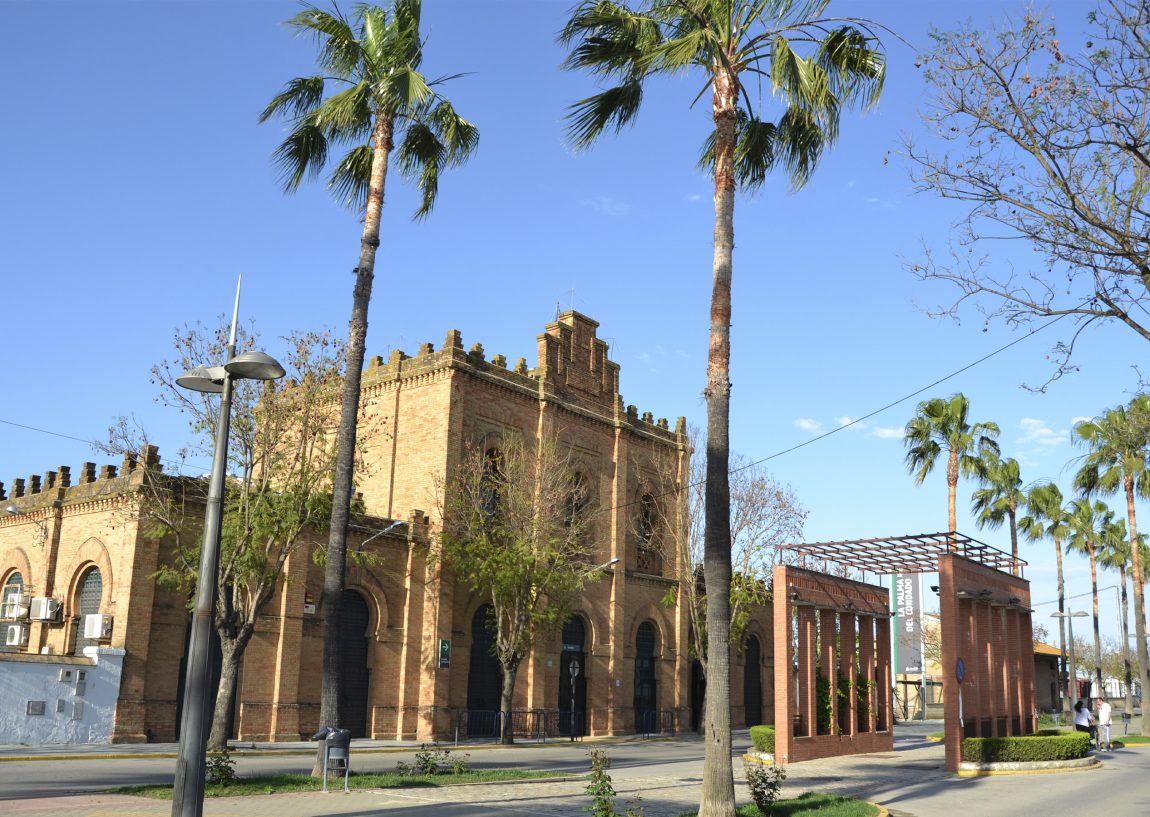
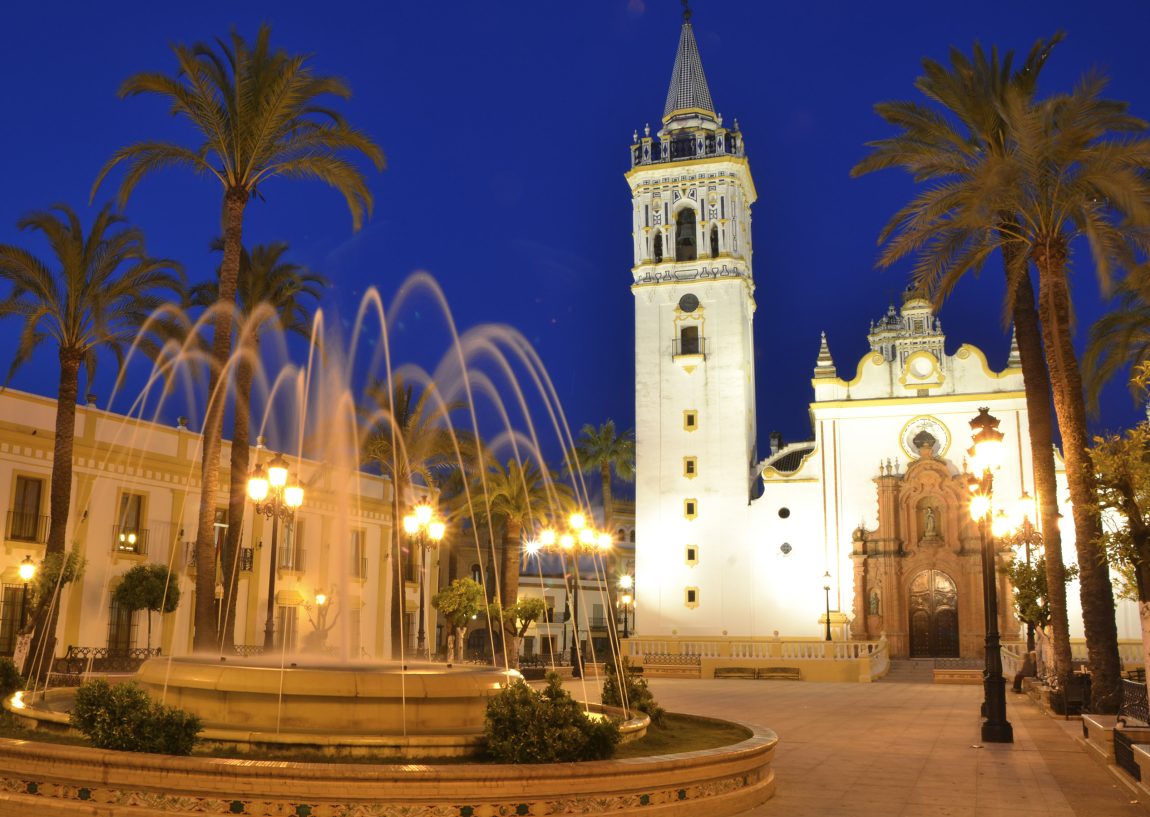

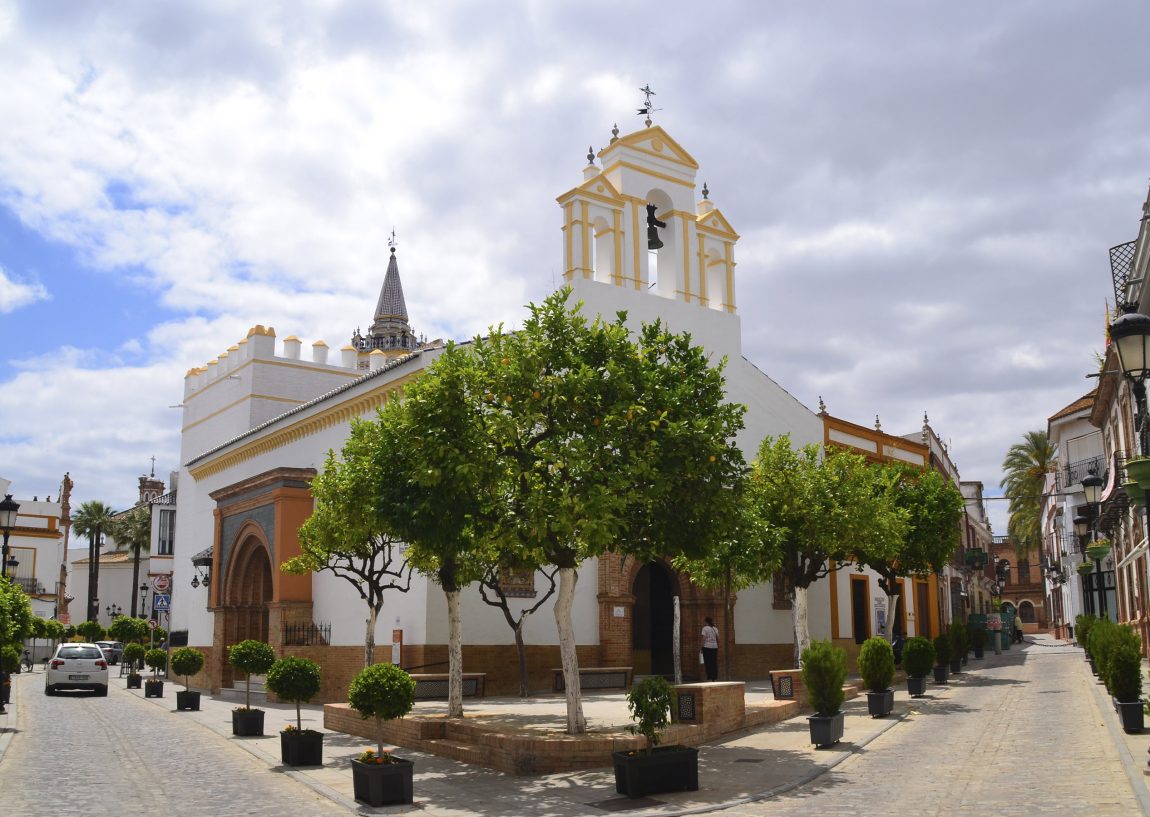
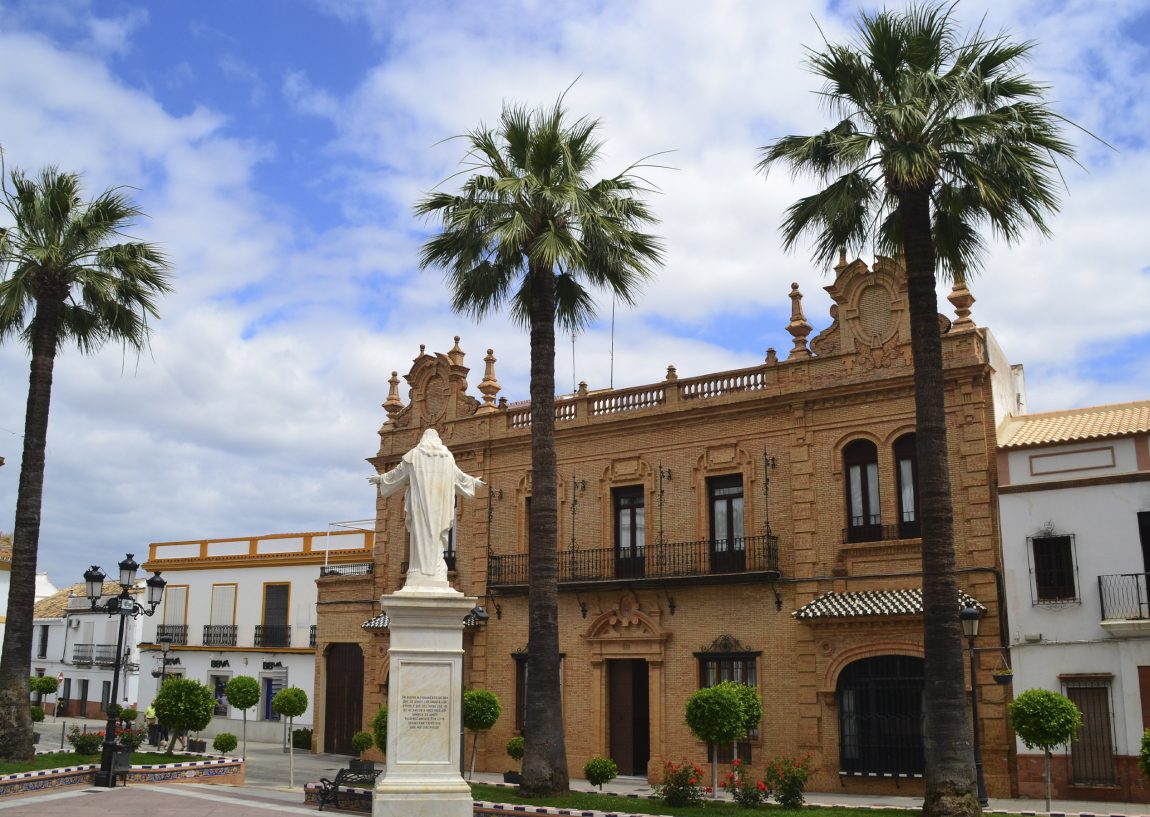
TRADITIONS
La Palma del Condado has a festival calendar deeply rooted in its identity, where wine-making traditions, religious observances, and a lively, festive atmosphere coexist throughout the year.
Its most important celebration is the Royal Fair and Grape Harvest Festival, which has been designated a Festival of National Tourist Interest. It takes place in late September and marks the start of the grape harvest, paying tribute to the winemaking tradition that defines the town.
The May Crosses are one of the most popular and participatory traditions, with residents and religious brotherhoods decorating streets and iconic locations; the crosses on Sevilla Street and Cabo Street are particularly noteworthy, as they become true gathering places for the neighborhood.
Holy Week in La Palma is notable for its fervor and the quality of its religious statues, which are paraded through the town’s streets in an atmosphere of deep devotion.
The calendar is rounded out by celebrations such as Carnival and Corpus Christi, where religious tradition and popular culture come together, showcasing the town’s festive and participatory spirit throughout the year.
FUN FACTS
La Palma del Condado is part of the historic region of the Condado de Huelva, one of Spain’s oldest wine-producing areas. Its tradition of viticulture and the production of wines with a Designation of Origin was particularly strengthened by trade with the Americas, which drove its economy for centuries.
The surrounding area is home to interesting examples of industrial heritage, such as the old mills on the Tinto River, which are considered among the best-preserved on the Iberian Peninsula.
These structures still stand today as a testament to the area’s industrial past and the historical importance of agricultural and industrial activity in the region.
Local cuisine is also part of its identity, with traditional dishes such as fava beans with pennyroyal, which are very typical of the town.
These flavors, especially when paired with wines from La Palma del Condado, reflect the close connection between culture, the land, and tradition in La Palma del Condado.
