
CARTAYA
The origins of Cartaya date back to ancient times, with Phoenician roots that link its name to the term Carteia, which means “the city.” Later, during the Roman period, the area established itself as an important hub for transportation and supply linked to the surrounding mining operations.
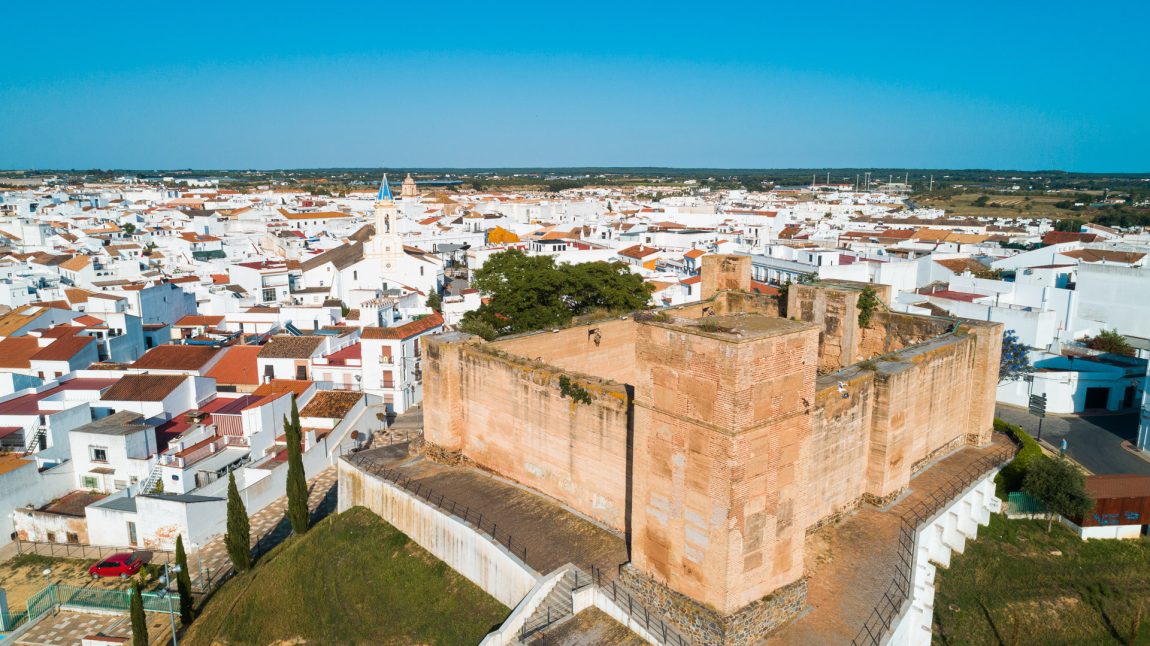
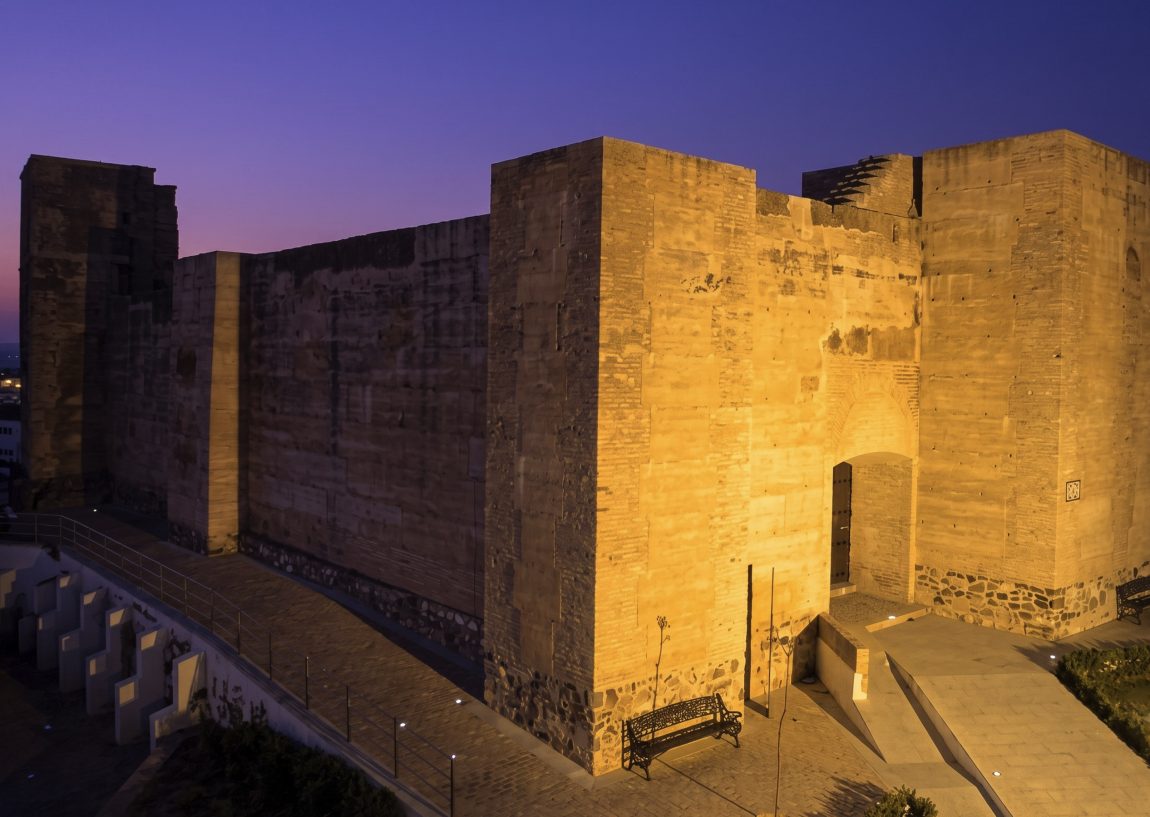
Following Muslim rule, the territory passed into Christian hands in the 13th century and became part of the Marquisate of Gibraleón. In the 15th century, Don Pedro de Zúñiga spurred the development of the present-day town with the construction of the Zúñiga Castle in 1417, a strategic fortress designed to control the territory and defend the coast.
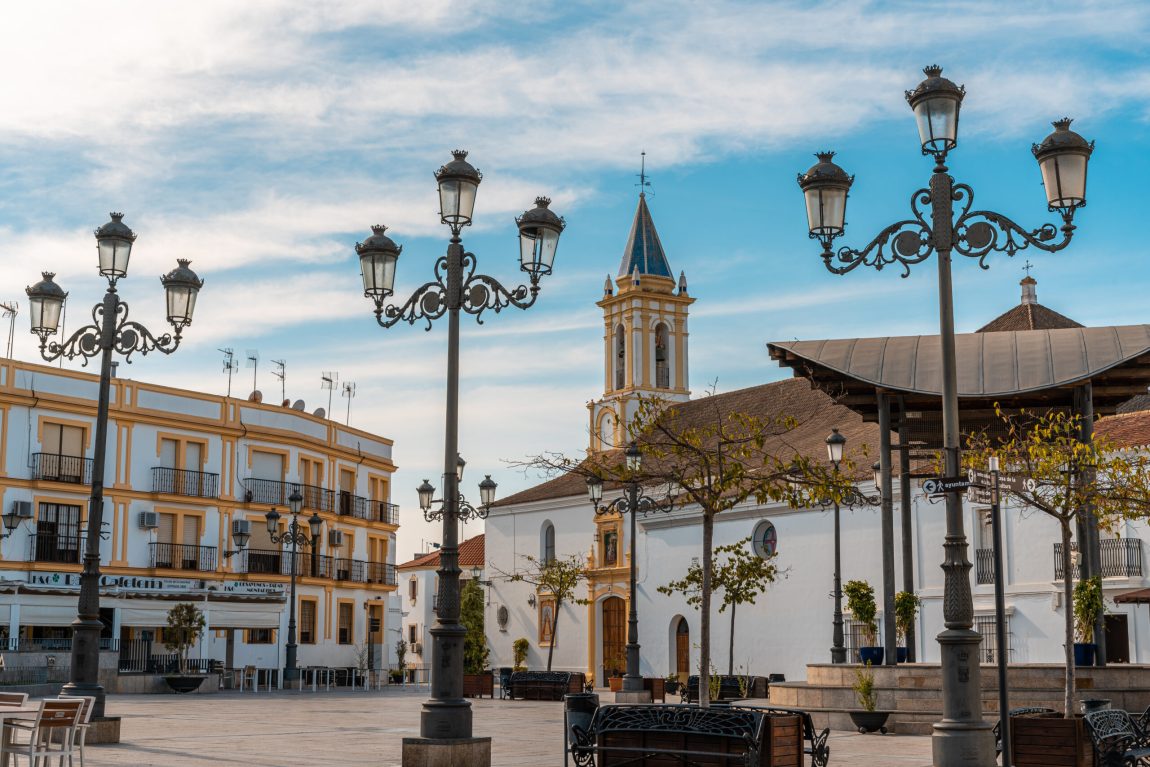
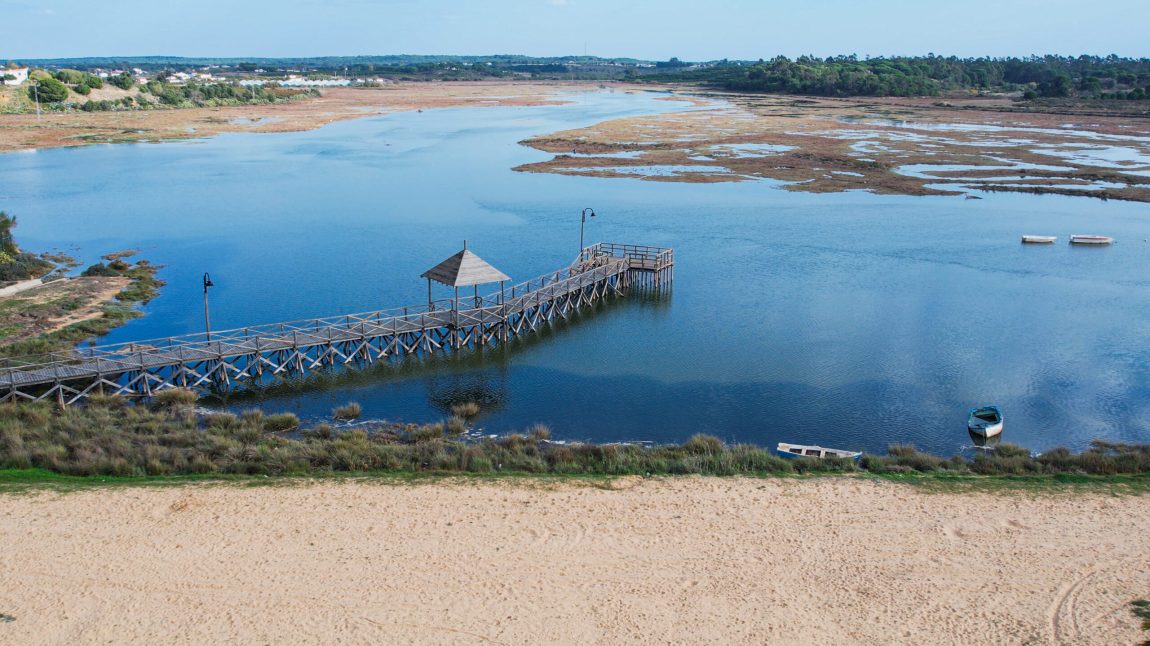
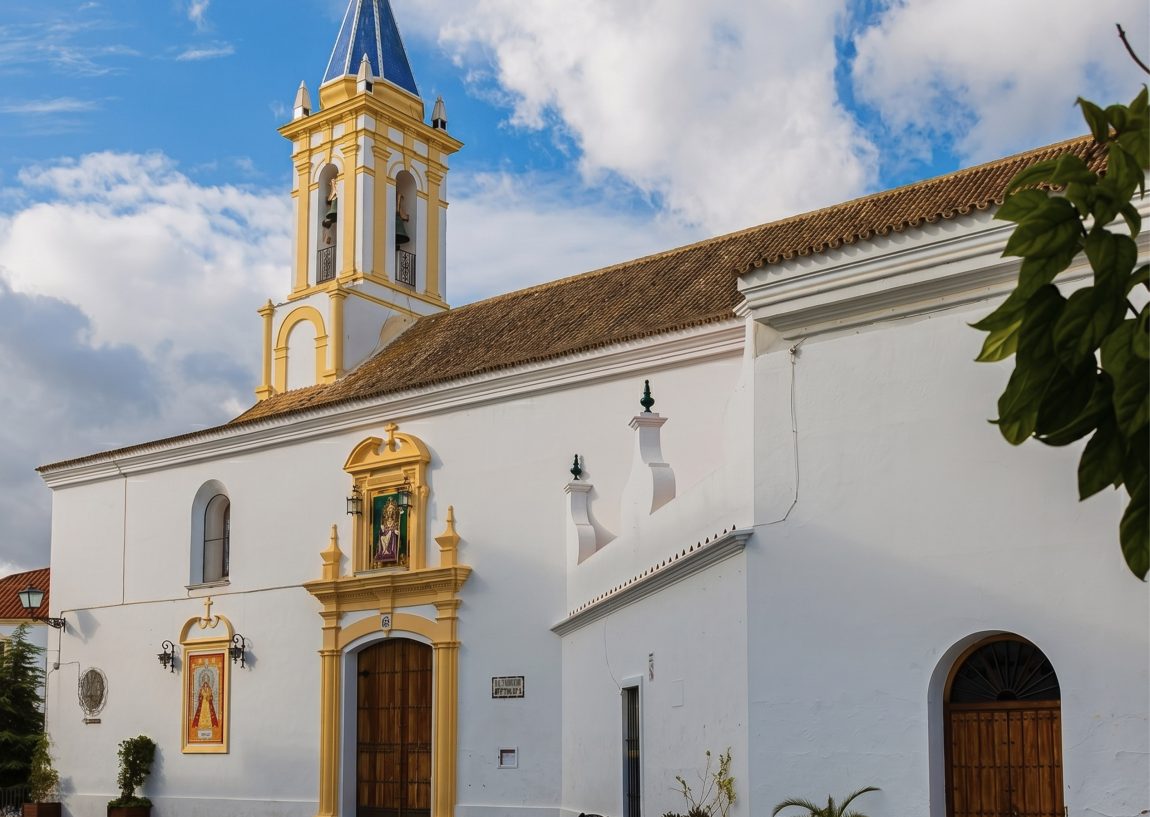
During the Modern Age, Cartaya experienced significant urban and architectural growth, with the construction of the Parish Church of San Pedro and the Convent of Nuestra Señora de la Merced. At the same time, fishing in the Piedras River estuary became one of the municipality’s economic pillars.
In the 19th and 20th centuries, the confiscation of church lands and the reorganization of land ownership spurred local agriculture, marking a period of transformation that would continue in recent decades with diversification into tourism and the development of crops such as berries.
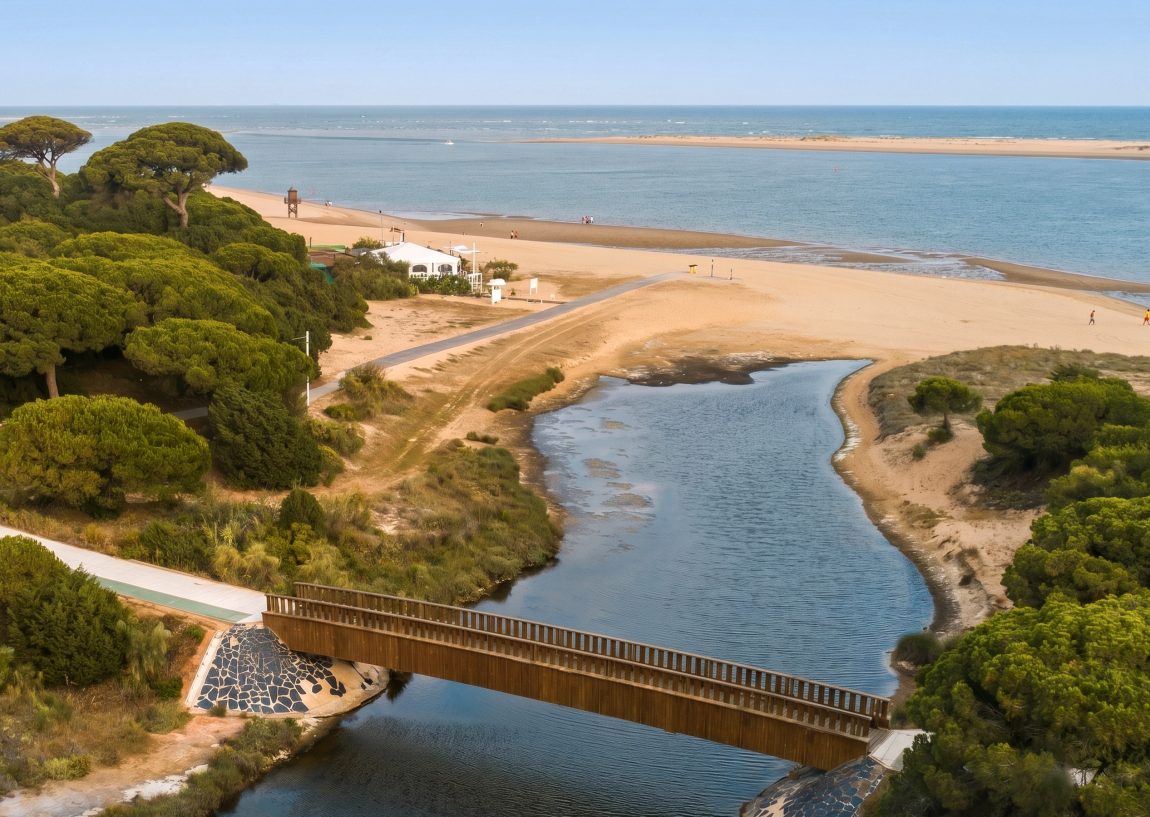
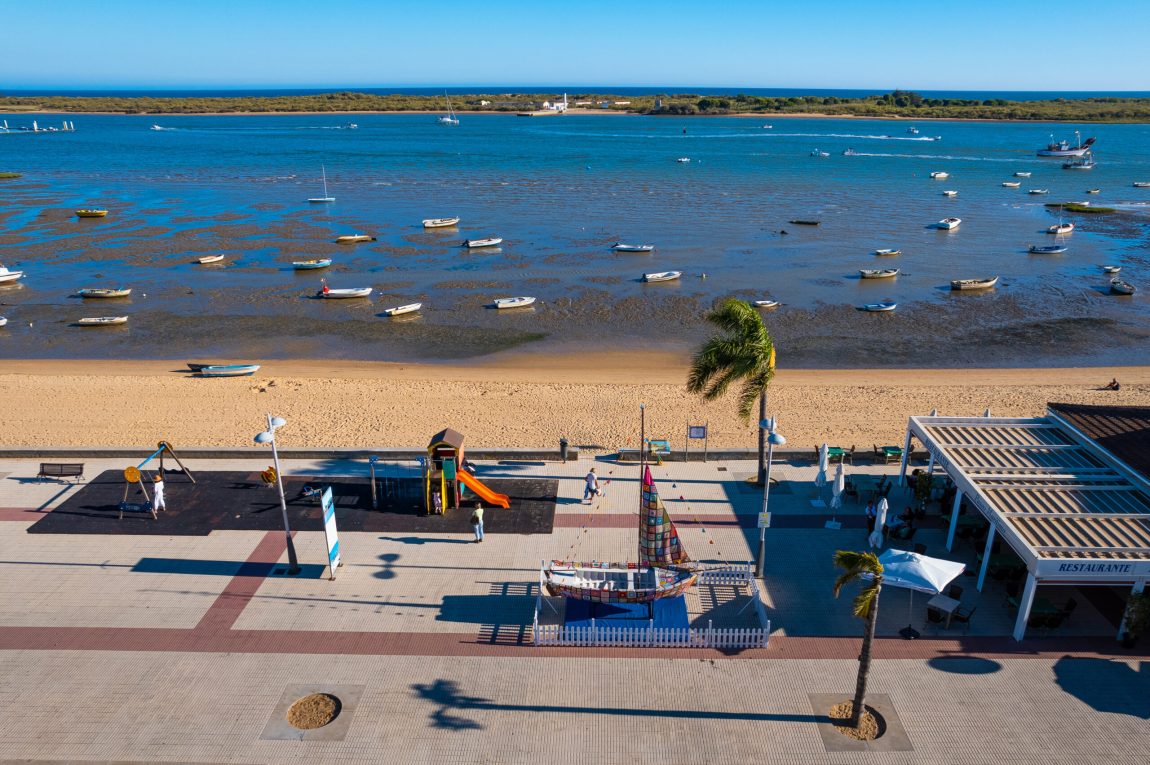
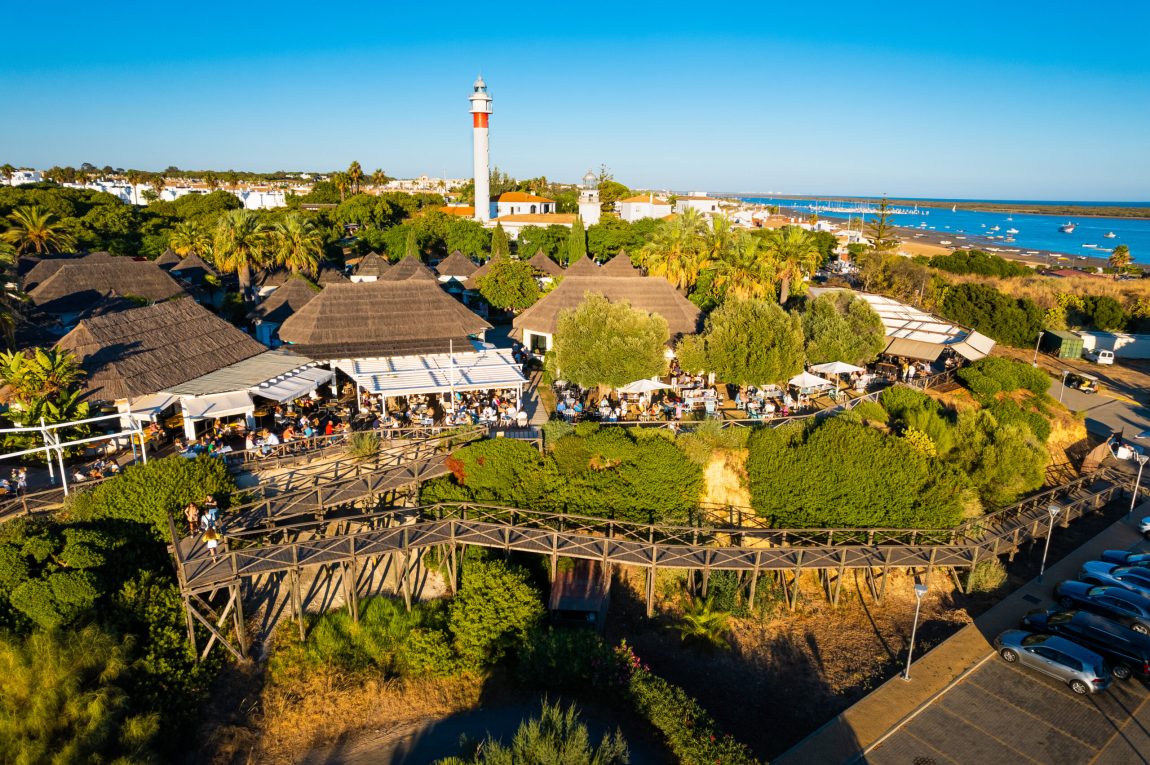
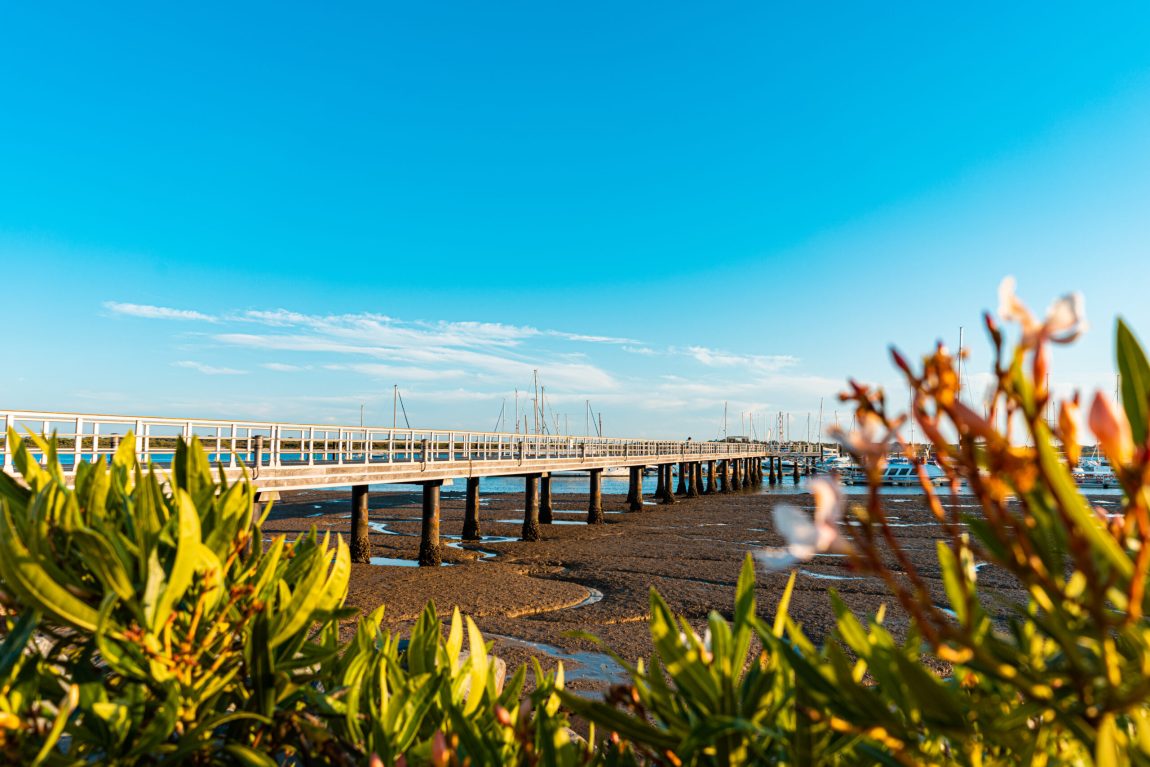
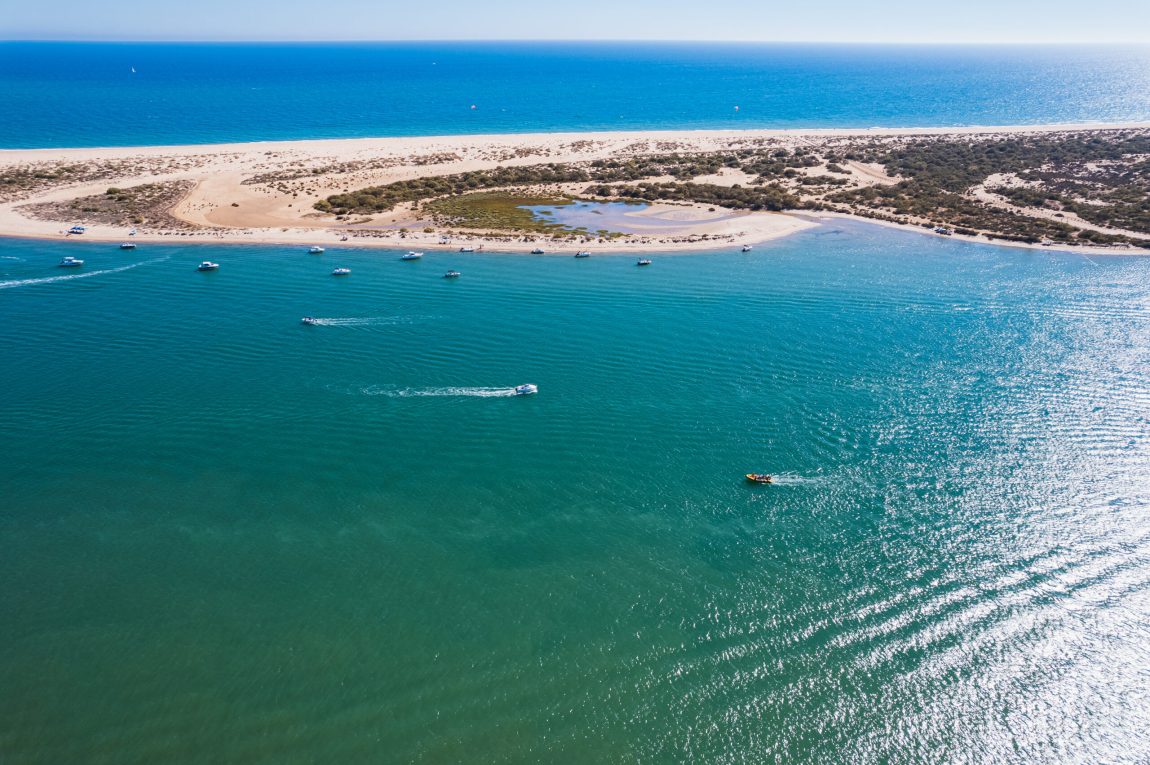
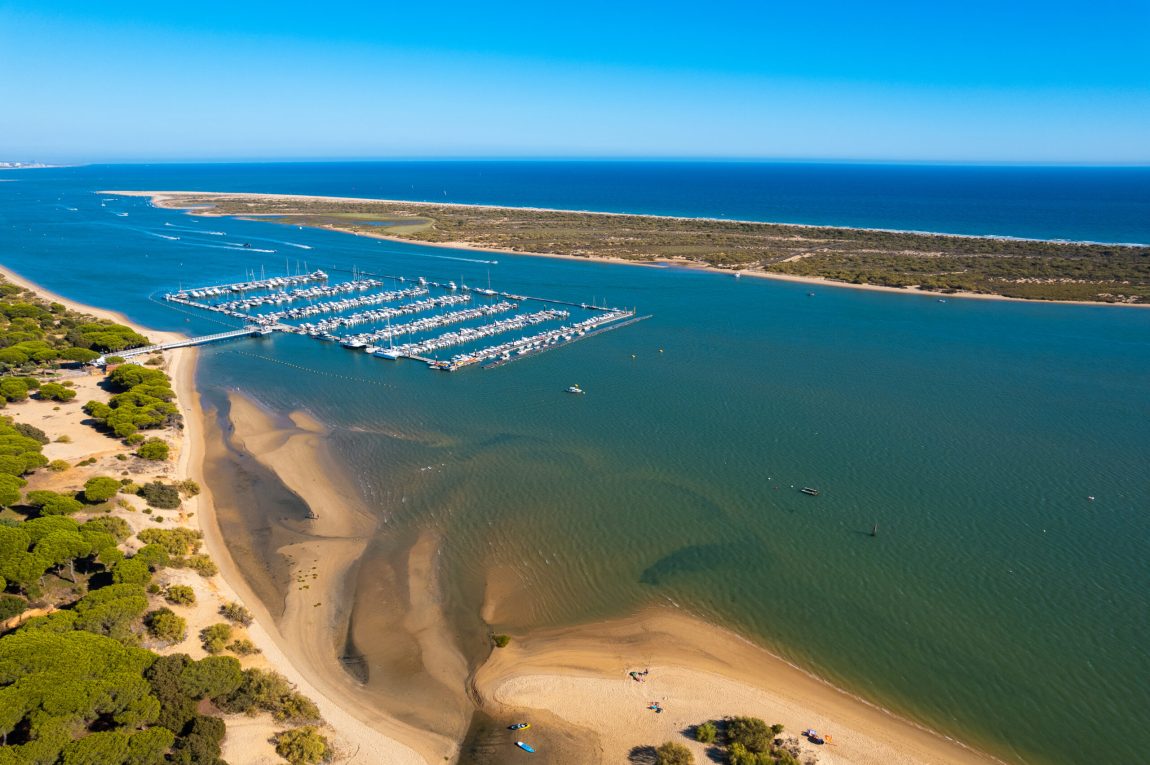
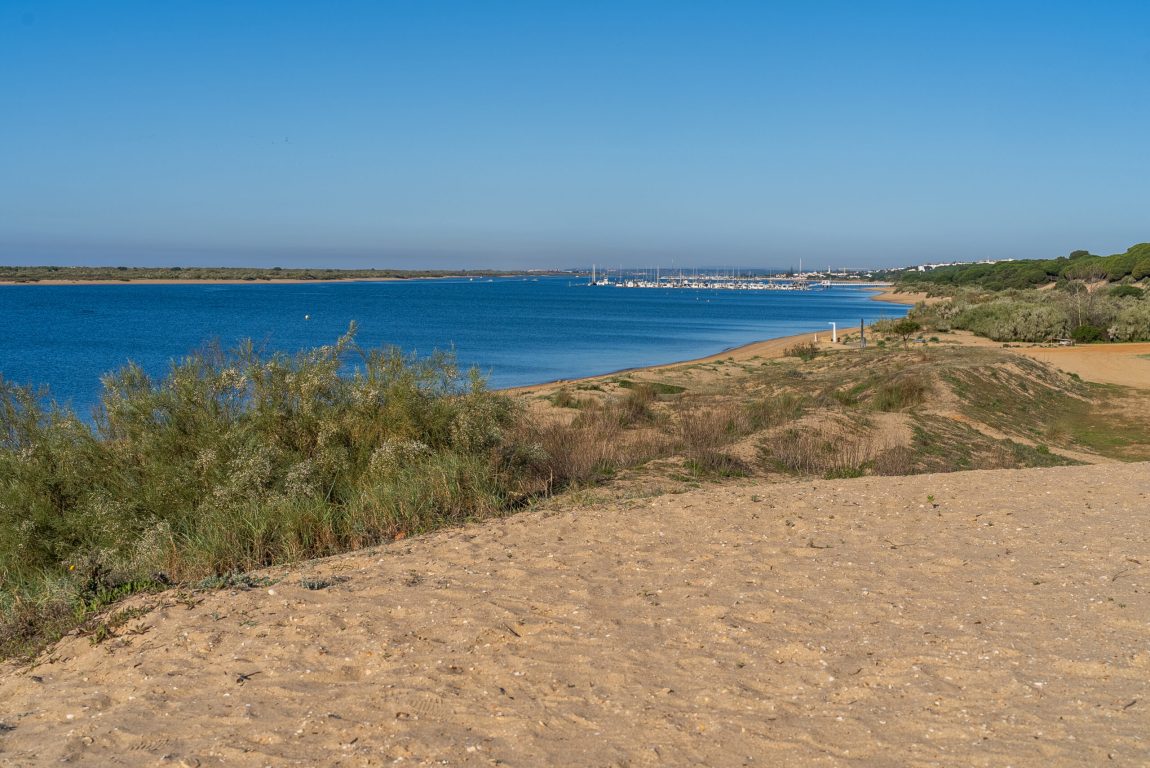
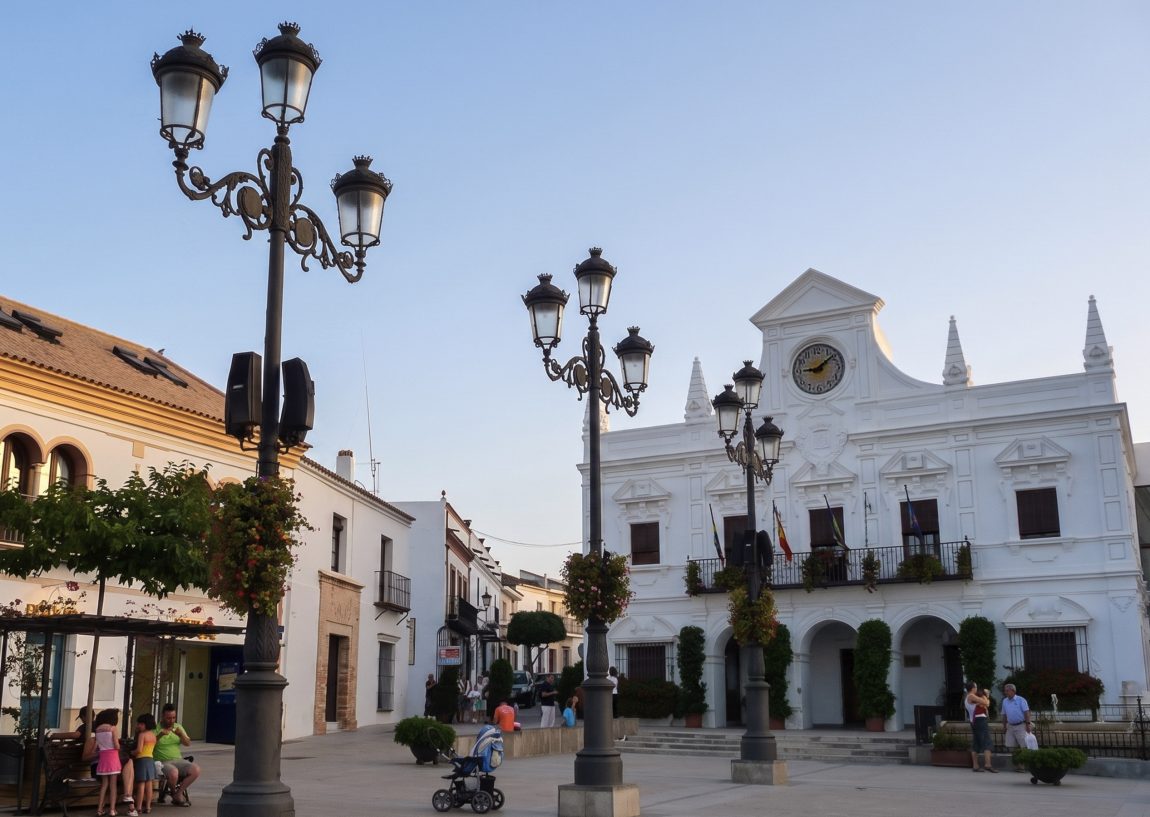
Today, Cartaya is centered around its main town, along with El Rompido and the Nuevo Portil area, combining history, seafaring tradition, and tourism development.
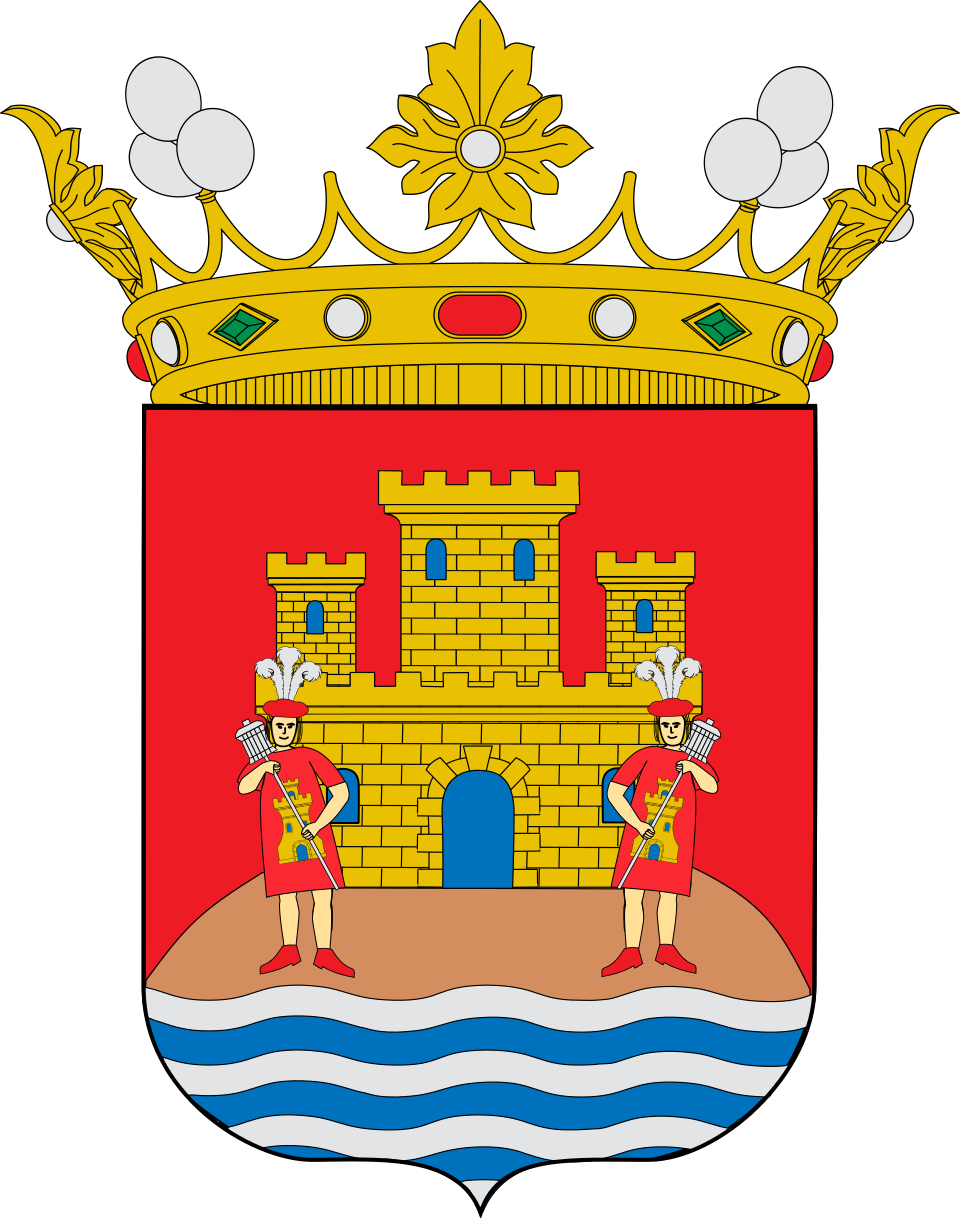
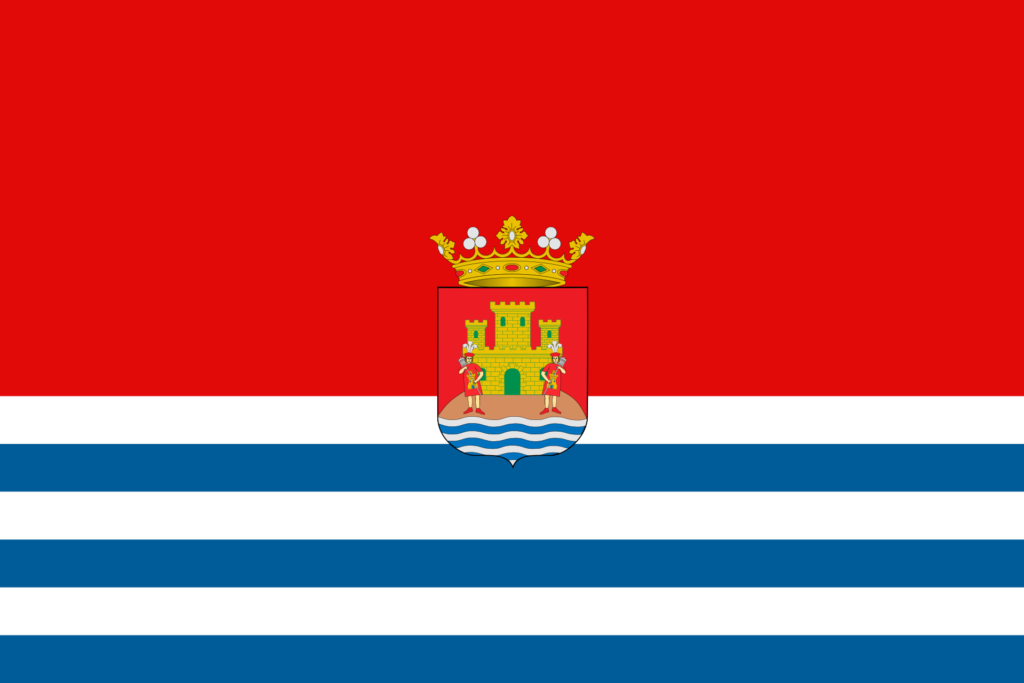
THE MUNICIPALITY AND ITS SURROUNDINGS
TRADITIONS
Cartaya’s festival calendar is marked by strong community participation and a blend of devotion, tradition, and a lively, festive atmosphere that lasts throughout the year. The festival of San Sebastián, in January, kicks off the town’s festive season with the patron saint paraded through the streets of downtown—a celebration deeply rooted in the local identity.
Holy Week holds a prominent place, featuring processions of great devotional significance and unique traditions of its own, such as the “Auto del Descendimiento,” one of the most iconic moments of its brotherhood tradition.
In May, the San Isidro Labrador Pilgrimage is celebrated, beginning with the opening address and the traditional search for the saint’s statue to carry it to the chapel—a day marked by camaraderie and a festive atmosphere in the natural surroundings.
In July, the coastal village of El Rompido hosts the festival of the Virgin of Carmen, one of the most moving celebrations in the municipality, featuring a maritime procession along the Piedras River that brings together many residents and visitors.
The calendar wraps up in October with the Cartaya Fair and the Feast of Our Lady of the Rosary, along with the Trade Fair, one of the most important events of the year, which combines cultural, commercial, and festive activities.
FUN FACTS
Cartaya is home to one of the largest green spaces in the province of Huelva: the Pinares de Cartaya, also known as the Campo Común. It is a vast forest covering some 11,500 hectares of stone pine, forming a natural environment of great ecological value.
One of its most notable historical landmarks is the Castillo de los Zúñiga, a medieval fortress built in the 15th century to defend the region against pirate attacks and other threats from the sea.
This building remains one of the municipality's most recognizable landmarks and a symbol of its historical heritage.
Cartaya is also known for the diversity of its landscapes, which combine the town’s historic center, the seaside setting of El Rompido with its distinctive lighthouse, and the tourist and natural area of Nuevo Portil.
All of this creates a rich identity that blends the sea, the countryside, and tradition.
