
BEAS
The history of Beas dates back to the Middle Ages, when, following the Reconquista in the 13th century, the territory became part of the Crown of Castile.
In 1262, King Alfonso X the Wise incorporated it into the jurisdiction of the Council of Niebla, thereby consolidating its organization within the new Christian order.
Over the following centuries, the municipality gradually developed its urban and religious structure, with the Parish Church of San Bartolomé playing a particularly important role.
This parish church, built between the 14th and 16th centuries in the Gothic-Mudejar style, has become one of the town's most important heritage landmarks.
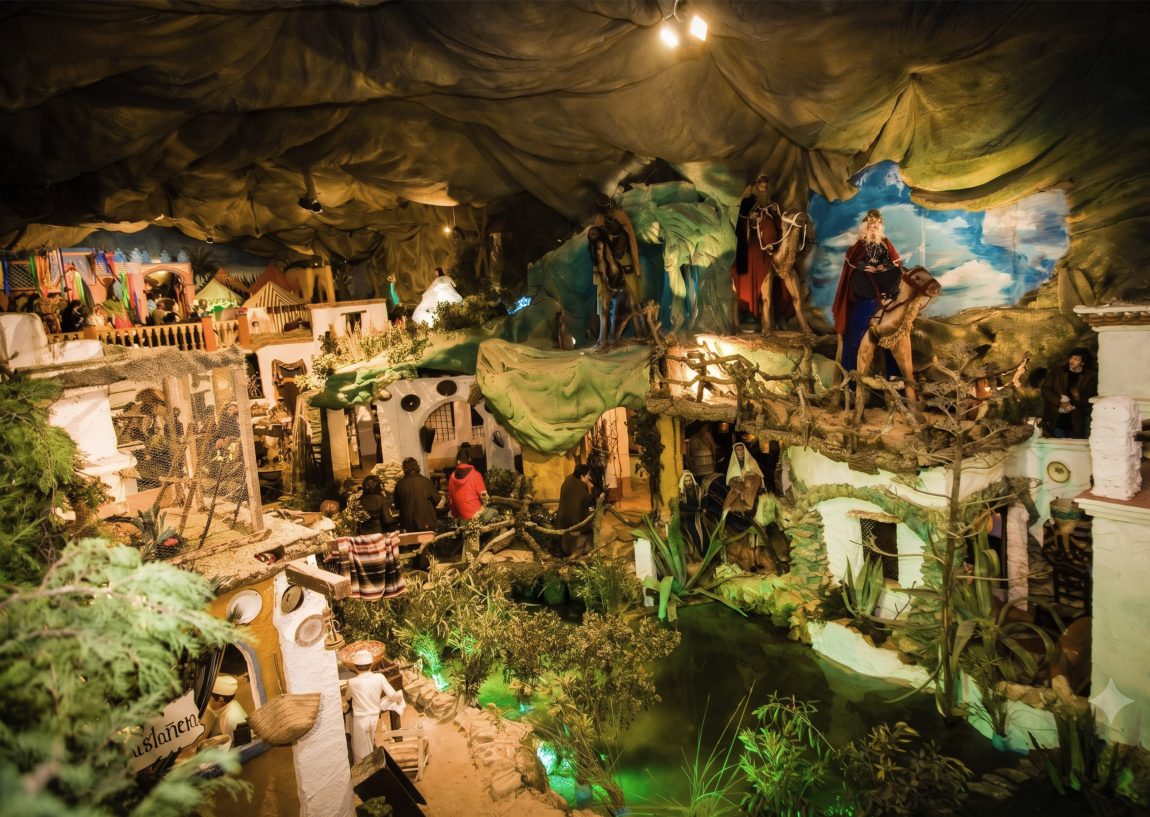
Today, Beas is particularly well known for its renowned “Living Nativity Scene,” organized by the Hermandad de los Clarines, a Christmas reenactment that has gained widespread recognition and has become one of the most iconic cultural events in the municipality and the province.
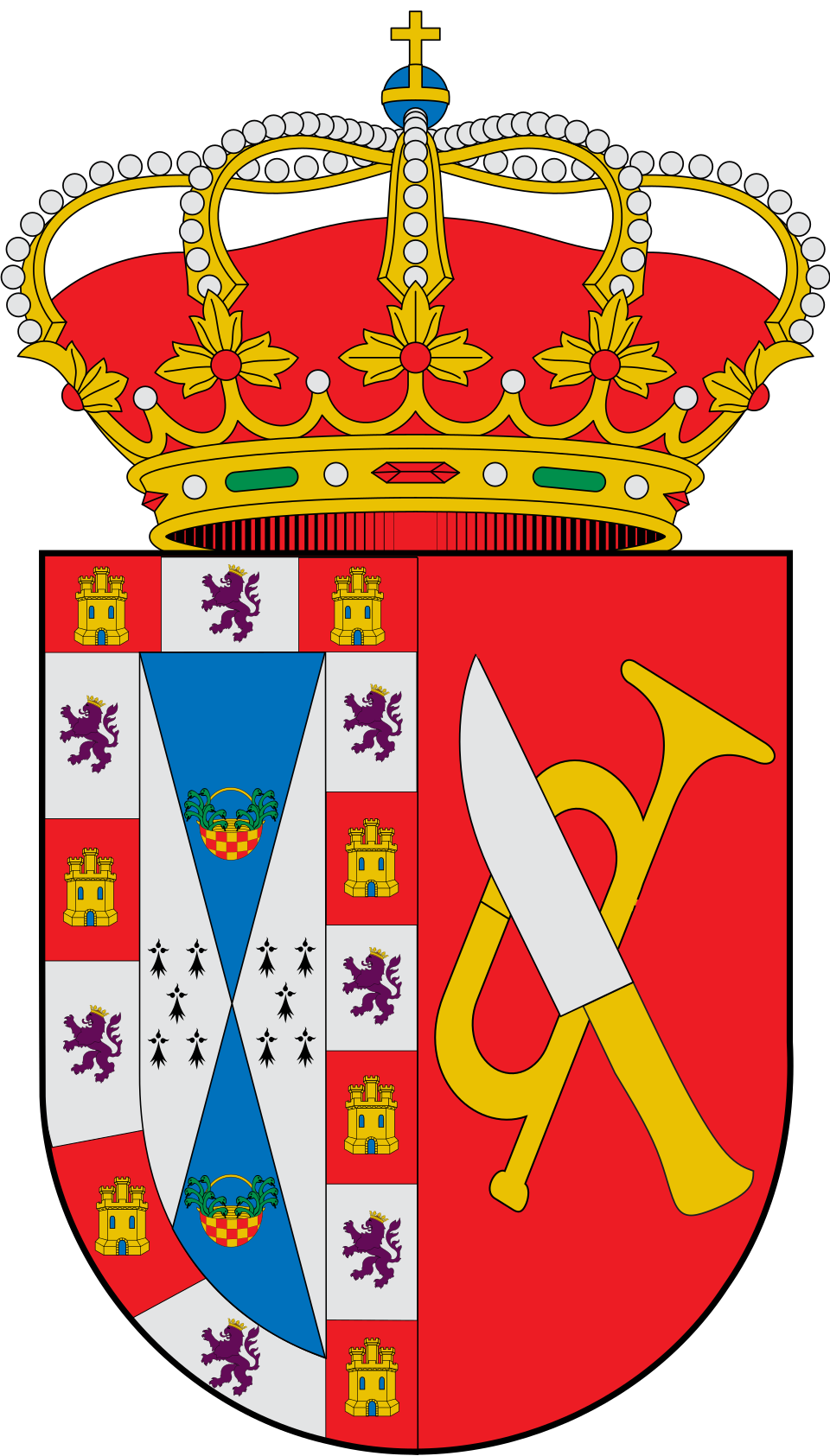
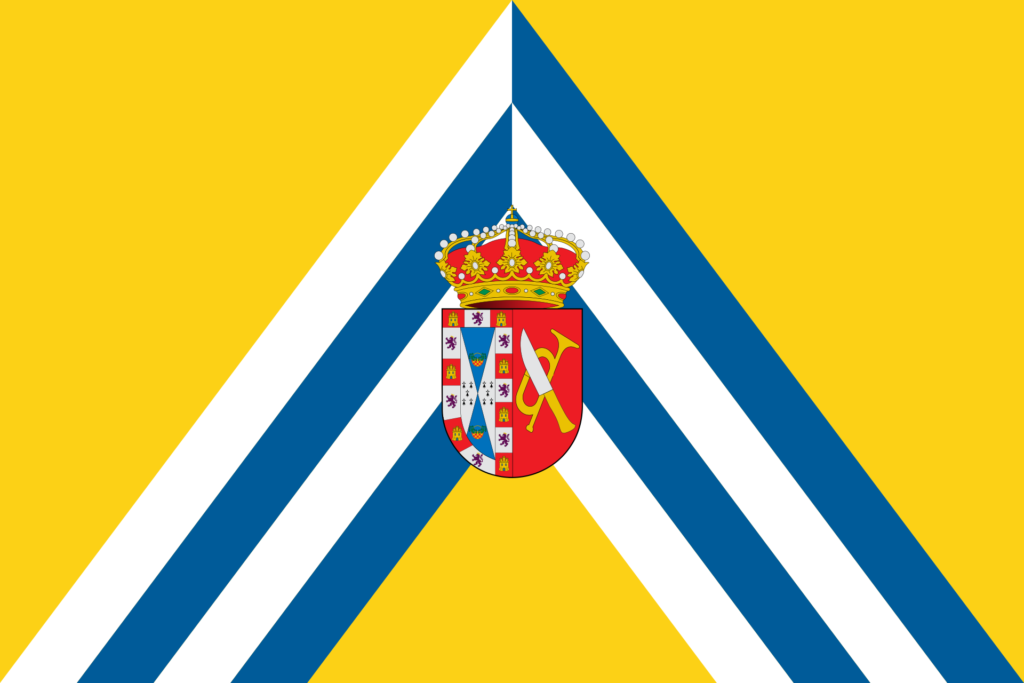
THE MUNICIPALITY AND ITS SURROUNDINGS
TRADITIONS
Beas has a festival calendar deeply rooted in its religious traditions and the active participation of the entire community, where a sense of togetherness and local identity play a central role.
Its most iconic celebration is the Living Nativity Scene, considered one of the oldest in Andalusia. It began in 1970 and is recognized as one of the 7 Wonders of the Province of Huelva. During Christmas, local residents reenact biblical scenes and traditional crafts with great realism in a production that brings together people, animals, and a meticulously crafted setting.
Holy Week is celebrated with particular fervor, featuring live portrayals of biblical characters who accompany the processions—such as the Guardian Angel, Mary Magdalene, and the Three Marys—lending a unique character to the processions.
In August, the town celebrates the patron saint festivities of San Bartolomé, featuring a procession through the town’s streets, accompanied by a festive atmosphere complete with sevillanas, local cuisine, and regional wines.
The Santa María de España Pilgrimage, held in May, brings together locals and visitors in a natural setting of fellowship and devotion, while the Los Clarines Pilgrimage, held in mid-August, is one of the region’s most important Marian events of the summer, noted for its festive and participatory atmosphere.
FUN FACTS
The origin of the name Beas is not entirely clear, although some historians suggest it may derive from the Latin term *Veas*, which is related to its location as a crossroads.
Other theories link it to the Mozarabic word *Vea*, referring to a *vega* or fertile area due to the abundance of orchards.
Beas is also known as the “olive oil capital” of the province of Huelva, thanks to its production of extra virgin olive oil, a key product in its economy and tradition.
This product even has its own fair dedicated to “green gold,” which highlights its importance within the municipality.
At Christmas, Beas hosts one of Andalusia’s most iconic live nativity scenes, in which the entire town participates by reenacting biblical scenes in a setting built specifically for the occasion.
