
THE BREAK
The history of El Rompido is deeply linked to the sea and to the municipality of Cartaya, of which it is a part. Its origins date back to the 15th century, when, during the repopulation of Andalusia, the settlement of San Miguel de Arca de Buey was founded; it is considered the first permanent settlement along this stretch of the Huelva coast.
During the 16th and 17th centuries, the town suffered repeated attacks by Barbary pirates who ravaged the Andalusian coast. One of the most dramatic incidents occurred in 1558, when a raid resulted in the kidnapping of nearly one-third of its inhabitants—an event that contributed to the gradual abandonment of the original settlement.
The current name of El Rompido is linked to one of the most significant natural events in the history of the Iberian Peninsula. The 1755 Lisbon earthquake profoundly altered the coastline and fractured the ancient sandbar off the coast, creating the mouth of the Piedras River and the natural landscape known today as La Flecha de El Rompido.
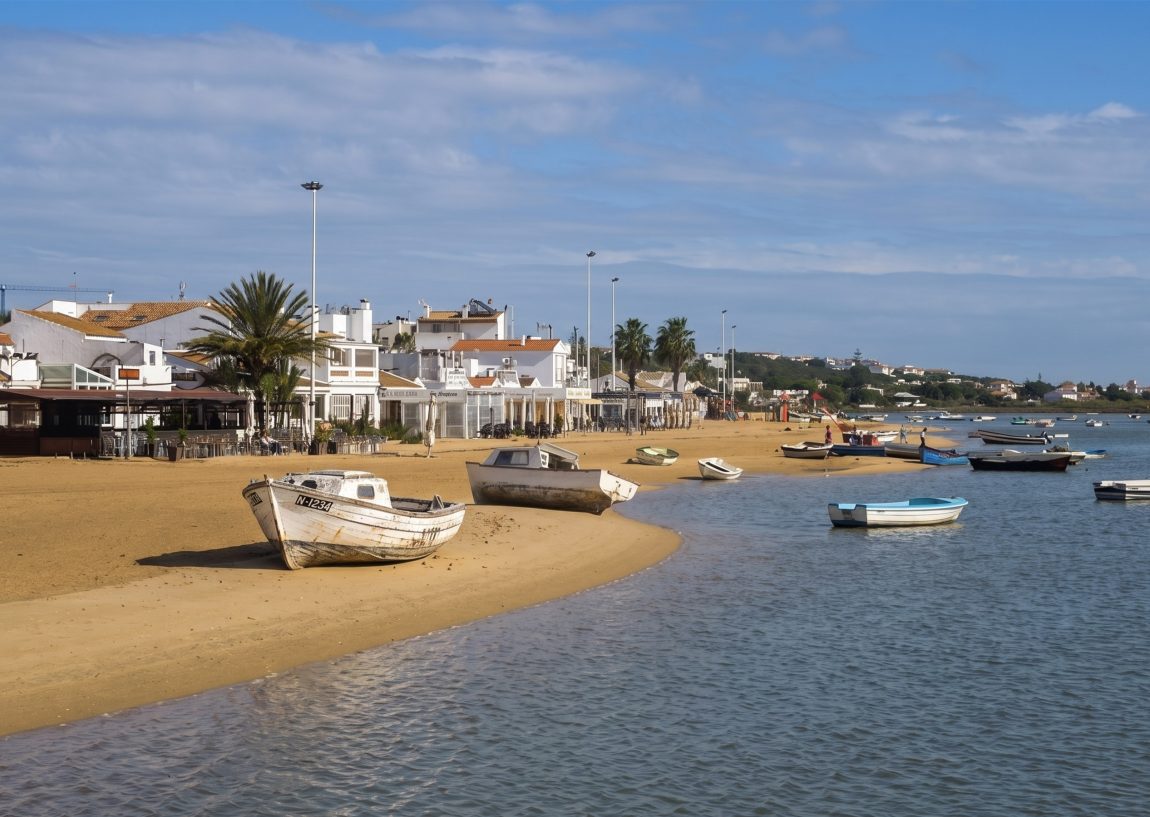
The town’s prime location by the ocean fostered the development of fishing as its main economic activity. Over time, El Rompido established itself as a traditional fishing village, where daily life has always been shaped by the activity in its port, fishing operations, and the close relationship its residents have with the sea.
One of its most glorious periods came in 1929, when the Consorcio Nacional Almadrabero established a major fishing complex in the Nueva Umbría area. Dedicated primarily to tuna fishing and processing, this settlement was home to more than 900 people during its peak, becoming one of the main economic drivers of Huelva’s western coast and leaving a mark that is still part of El Rompido’s identity.

THE MUNICIPALITY AND ITS SURROUNDINGS
TRADITIONS
El Rompido keeps its traditions alive thanks to a festival calendar marked by devotion, community spirit, and its close connection to the sea. The most important celebration of the year is the Patron Saint Festival in honor of the Virgin of Carmen, which takes place on the last weekend of July and brings together residents and visitors to honor the patron saint of sailors.
The most moving moment of these festivities comes with the procession of the Virgin of Carmen. After leaving the parish church that bears her name, the statue is carried to the port to travel along the Piedras River aboard a boat, accompanied by dozens of festively decorated vessels, the sound of their sirens, and the excitement of the faithful who follow the procession from both land and sea.
Another of the most popular celebrations is the Fiesta Barrilete, a day of fellowship that brings families and friends together along the coast. During the festival, activities are organized such as the traditional paella contest, sports tournaments, popular games, and the unique “pateras” race—featuring the traditional boats that are part of the town’s fishing history.
Gastronomy also plays a prominent role in the traditions of El Rompido. The local cuisine draws on the bounty of the sea and the estuary, and dishes such as Huelva white shrimp, bluefin tuna, cockles, fried cuttlefish, and skate with paprika are common on local tables—recipes that reflect the seafaring heritage of this coastal enclave.
The festival calendar is rounded out by the San Isidro Labrador Pilgrimage, held in May near the town of Cartaya. Locals and pilgrims make the journey to the chapel accompanied by carts, horses, and traditional costumes, keeping alive one of the area’s most deeply rooted celebrations.
FUN FACTS
El Rompido is a small town that undergoes one of the most dramatic transformations along the Huelva coast when summer arrives. Its population of about 2,000 swells to around 30,000 during the summer season, drawn by its beaches, natural surroundings, and seaside atmosphere. People who were born or live in the town are called “rompieros.”
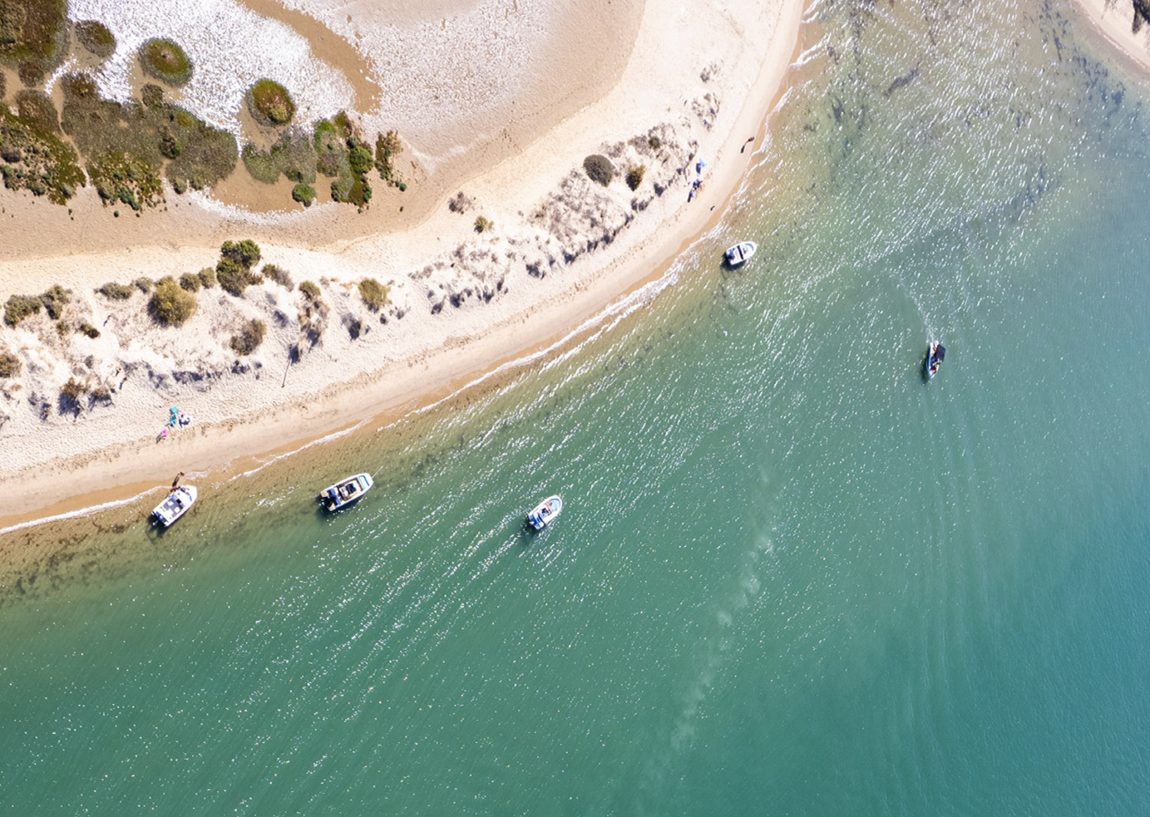
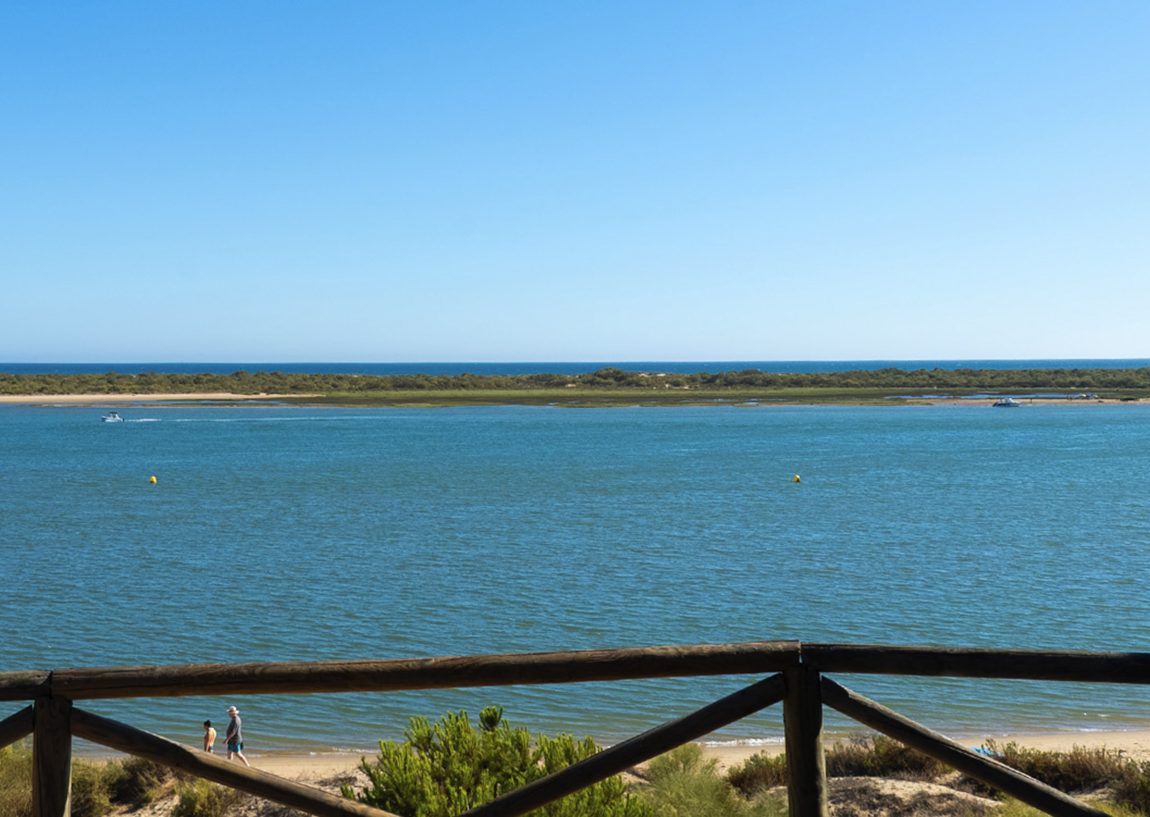
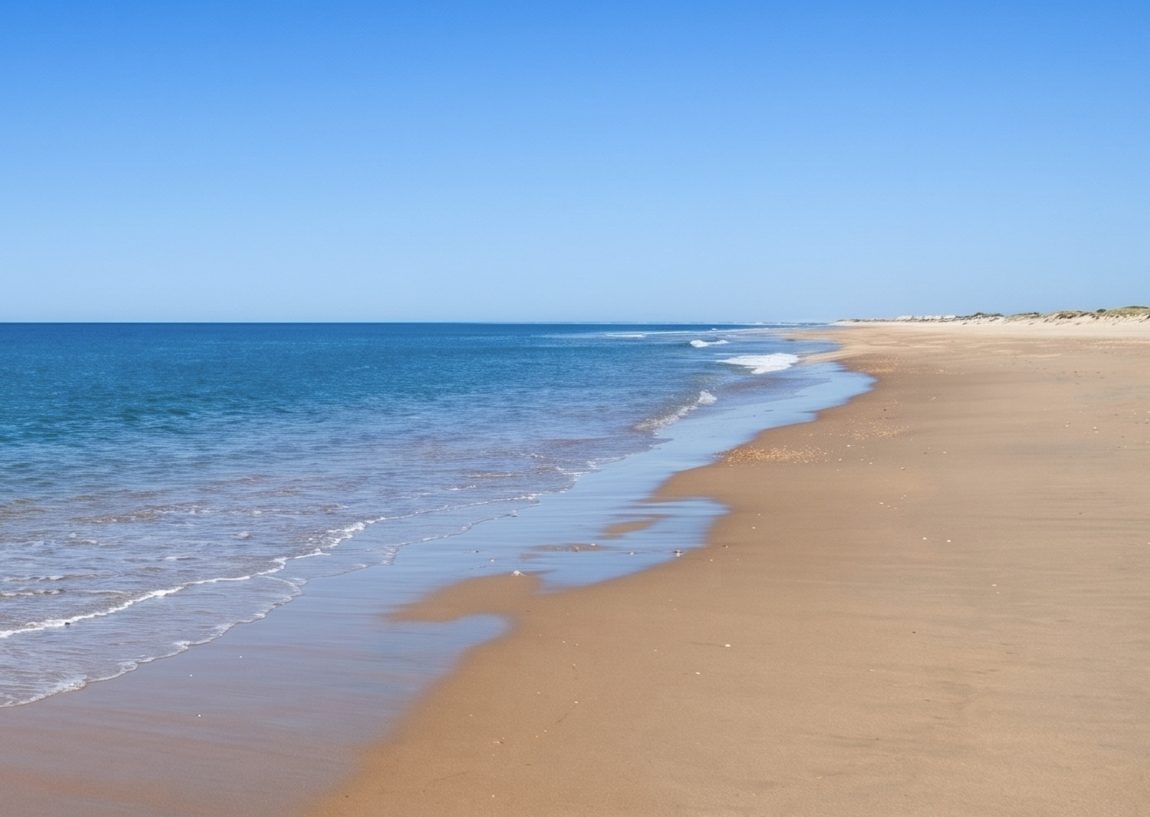
One of its greatest treasures is the Flecha de El Rompido, a spectacular stretch of pristine sand approximately 12 kilometers long that continues to grow naturally. The currents and tides of the Piedras River cause it to advance about 30 meters each year, making it one of the most unique coastal areas in Andalusia.
The town’s name also has an interesting historical explanation. It is believed to stem from the 1755 Lisbon earthquake, whose impact altered the Huelva coastline and “broke up” the old sandbar located off the coast of the town, giving rise to the current configuration of the mouth of the Piedras River.
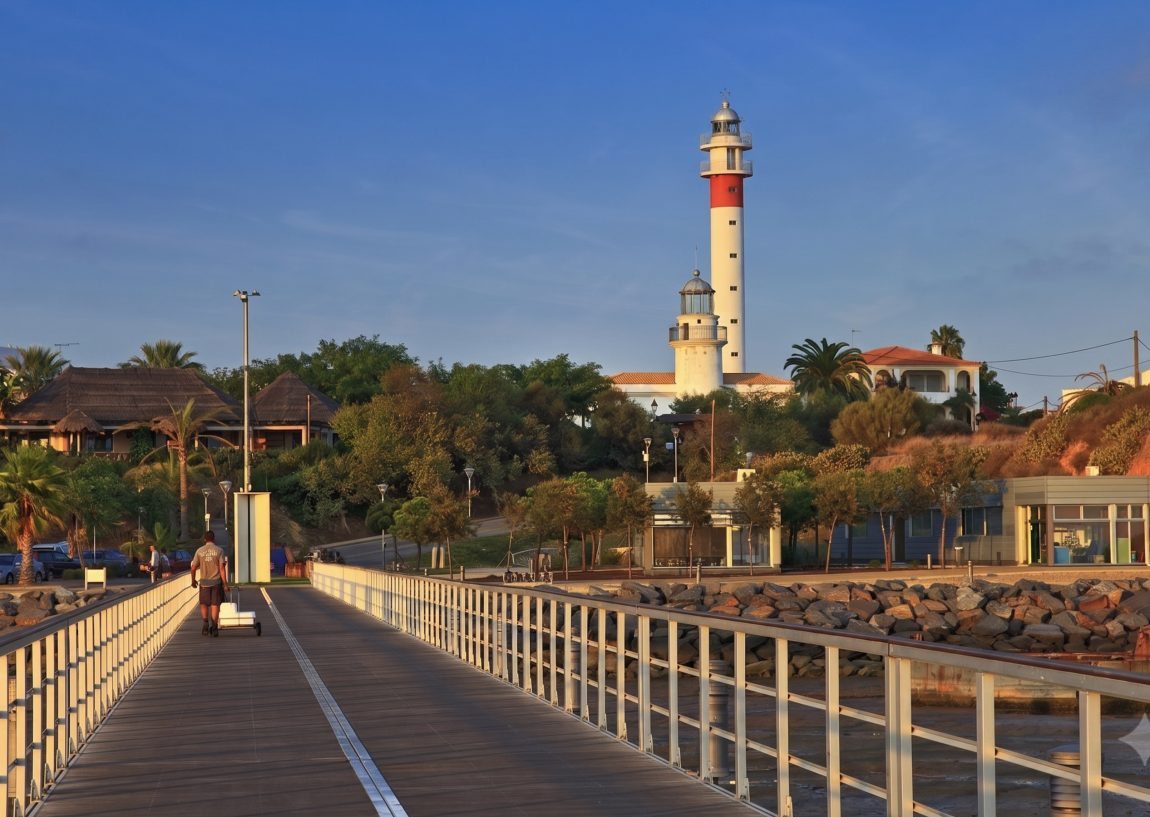
Another of its unique features is the presence of two lighthouses along the estuary. The first, built in 1861, is the oldest lighthouse in the province of Huelva and is now part of the local historical heritage. A short distance away stands the current lighthouse, 31 meters tall, which continues to guide ships sailing along this stretch of coastline.
The fishing tradition remains deeply rooted in El Rompido’s identity and is particularly reflected in its cuisine. Products such as El Rompido shrimp are widely recognized for their quality, while the town’s connection to the sea has also given rise to stories such as the one from the Civil War involving the local lighthouse keeper, who hid the image of the Virgin of Carmen in the hayloft of the old lighthouse to prevent its destruction, thereby preserving one of the town’s most cherished devotions.
