
AYAMONTE
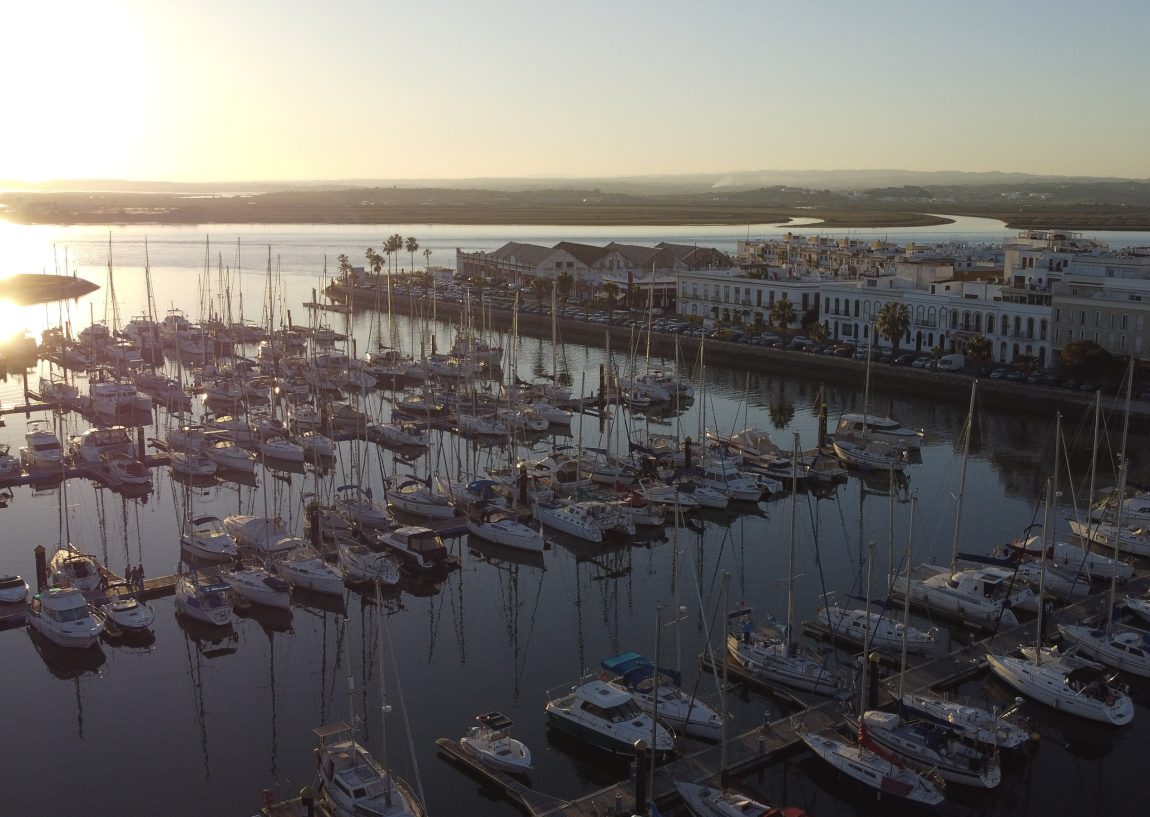
The history of Ayamonte dates back to the Bronze Age, with the first settlements established at a strategic location near the mouth of the Guadiana River, where the Phoenicians and other ancient cultures left their mark.
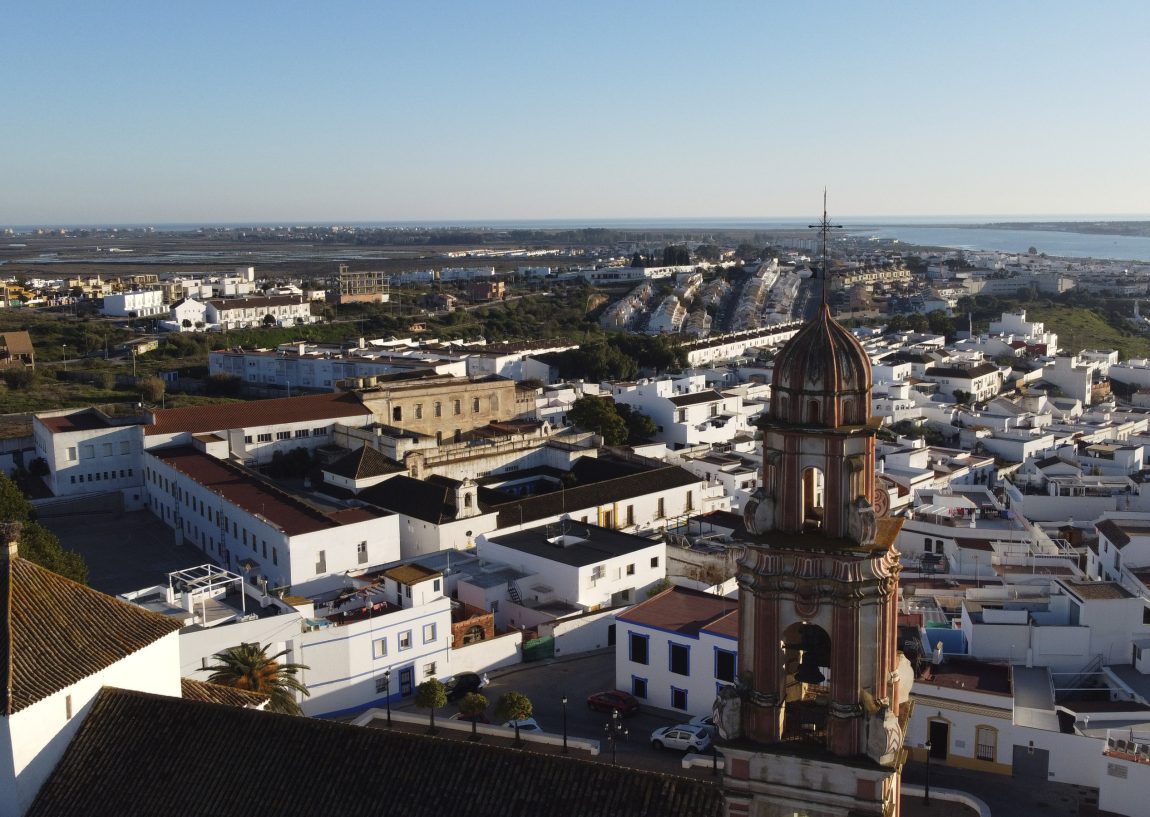
In Roman times, it was known as Ostium Fluminis Anae or Esuri, establishing itself as a key hub for communication and trade. Its current name appears to derive from the combination of the Iberian term Aya (hill) and the Latin montis, in reference to its elevated position.
During the Muslim period, it was part of Al-Andalus, retaining its importance as a natural harbor. Later, in the 13th century, it came under various rulers until it was finally incorporated into the Crown of Castile following a period of disputes between Portugal and the Order of Santiago.
During the Modern Age, the town came under the control of the Guzman family as part of the County of Niebla, and later the Marquisate of Ayamonte was established. Its connection to the sea was crucial, as it participated in Atlantic expeditions and strengthened its seafaring identity. In 1664, Philip IV granted it the status of a city.
In modern times, Ayamonte has maintained its fishing and fish-curing traditions, while strengthening its ties with Portugal, with which it shares a close cultural and economic relationship through the current Guadiana Eurocity.
THE MUNICIPALITY AND ITS SURROUNDINGS
TRADITIONS
Ayamonte has a very diverse calendar of festivals, blending religious devotion, seafaring traditions, and neighborhood life, reflecting the town’s diverse identity.
Holy Week in Ayamonte, designated a Festival of Andalusian Tourist Interest, is one of the most important celebrations of the year. It stands out for the fervor of its brotherhoods, the quality of its sculptures, and its unique processions, such as the Great Holy Burial, which draws large crowds of visitors to its streets.
In September, the city celebrates the Festival of Our Lady of Sorrows, the city’s patron saint, which marks the highlight of the end of summer with floral offerings, a procession, and the traditional lighting of the fairgrounds, accompanied by a lively atmosphere, music, and activities for all ages.
The Romería de la Santa Cruz, held in May, brings together locals and visitors on a pilgrimage to the Cabrera estate, featuring decorated floats, horses, and drummers, for a day of fellowship surrounded by nature. Seafaring traditions play a central role in the Fiestas del Carmen, especially in the neighborhoods of Canela and Punta del Moral, where maritime processions are held with decorated boats accompanying the Virgin along the river and out to sea.
Summer culminates with the Fiestas del Salvador in the La Villa neighborhood, featuring illuminated streets, street parties, and a very local atmosphere, while on November 13, the town celebrates San Diego de Alcalá, the municipality’s patron saint, which brings the Ayamonte festival calendar to a close.
FUN FACTS
Ayamonte is a true “living border” between Spain and Portugal. Together with Vila Real de Santo António and Castro Marim, it forms the Guadiana Eurocity, a cooperative initiative that brings together culture, the economy, and daily life on both sides of the river.
At Christmas, the city surprises visitors with a very special tradition on Mirador Street, which is transformed into a real miniature village filled with lights, handcrafted scenes, and small moving trains.
This Christmas-themed space creates a magical atmosphere that is very characteristic of the town and has become one of its major attractions during the holiday season.
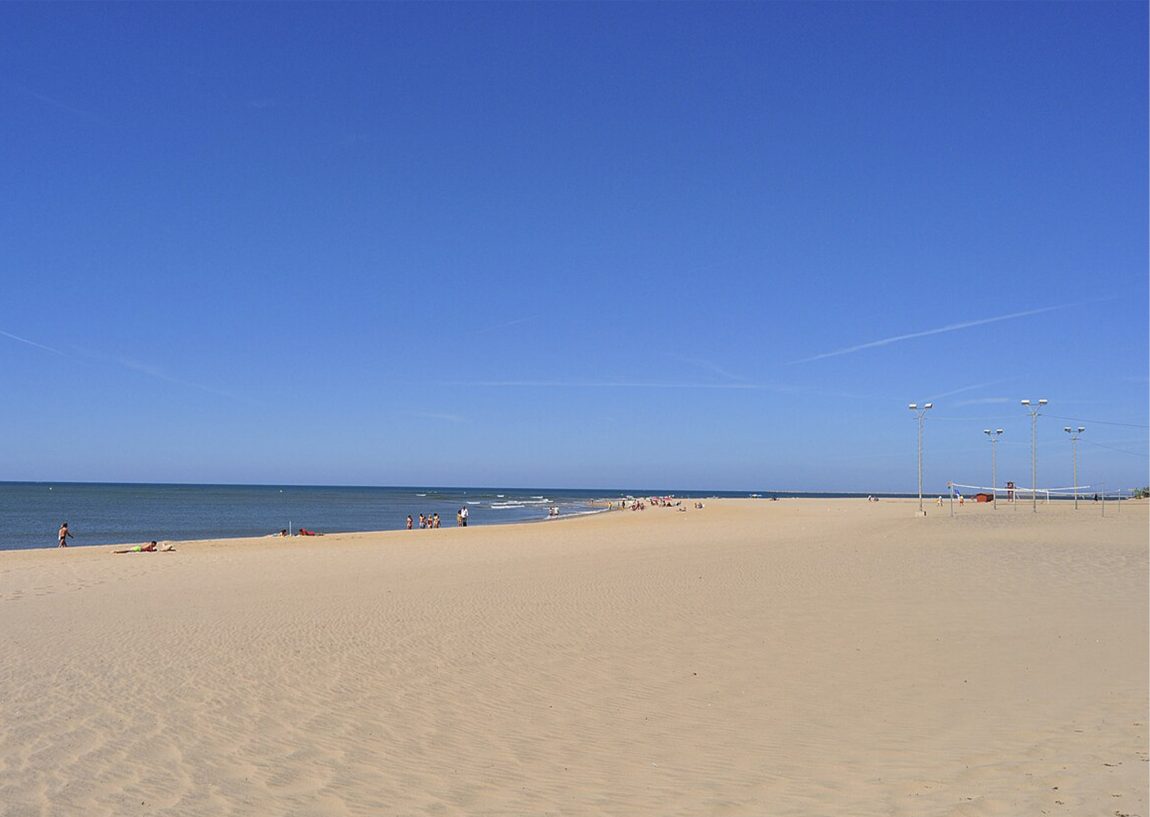
Its coastline is another of its major attractions. The beaches of Isla Canela and Punta del Moral, with more than 7 kilometers of golden sand, are popularly known as “movie-worthy beaches.”
These are areas of great beauty, spaciousness, and easy access that enhance the municipality’s appeal as a tourist destination and its natural character.
