
VILLABLANCA
The history of Villablanca dates back to prehistoric times, with human presence in the area for more than 5,000 years. Notable megalithic remains include the Dolmen de la Tenencia and the group of menhirs and dolmens between Villablanca and Ayamonte, which attest to the importance of the region in ancient times.
The municipality was officially founded in 1531, when the Marquises of Ayamonte granted the town charter for the creation of what was then called Puebla de Santa María la Blanca.
This process aimed to populate and organize the territory by offering incentives to settlers who established themselves in the area.
In the 17th century, the parish church was consecrated, and from that time on it became the center of the town’s religious and social life, shaping the development of a community primarily tied to agriculture.
The urban layout of Villablanca, organized in a grid pattern with orderly, regular streets, reflects a planning model characteristic of the era, with parallels to the colonial urban planning that developed in the Americas during the same period.
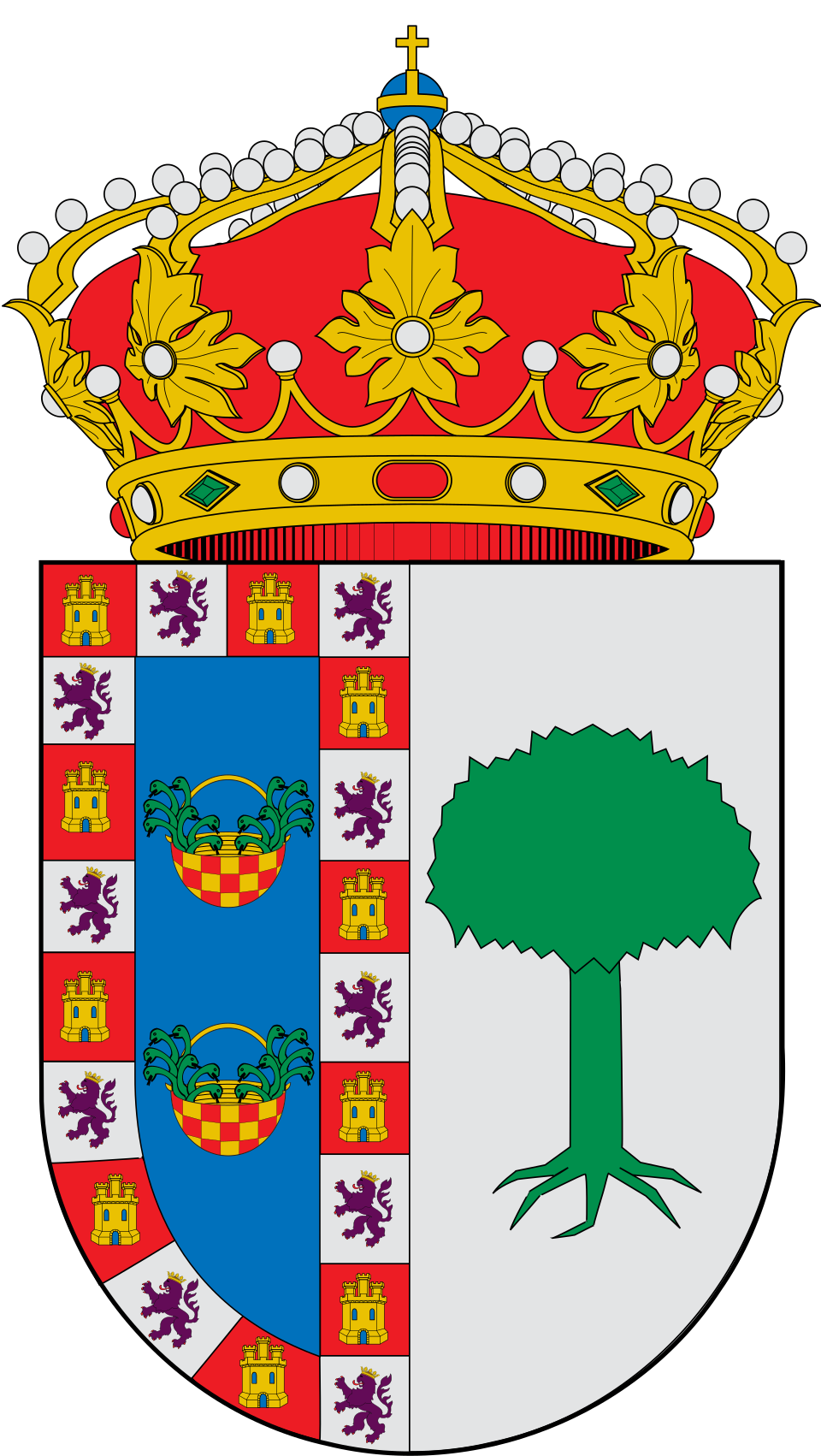

THE MUNICIPALITY AND ITS SURROUNDINGS

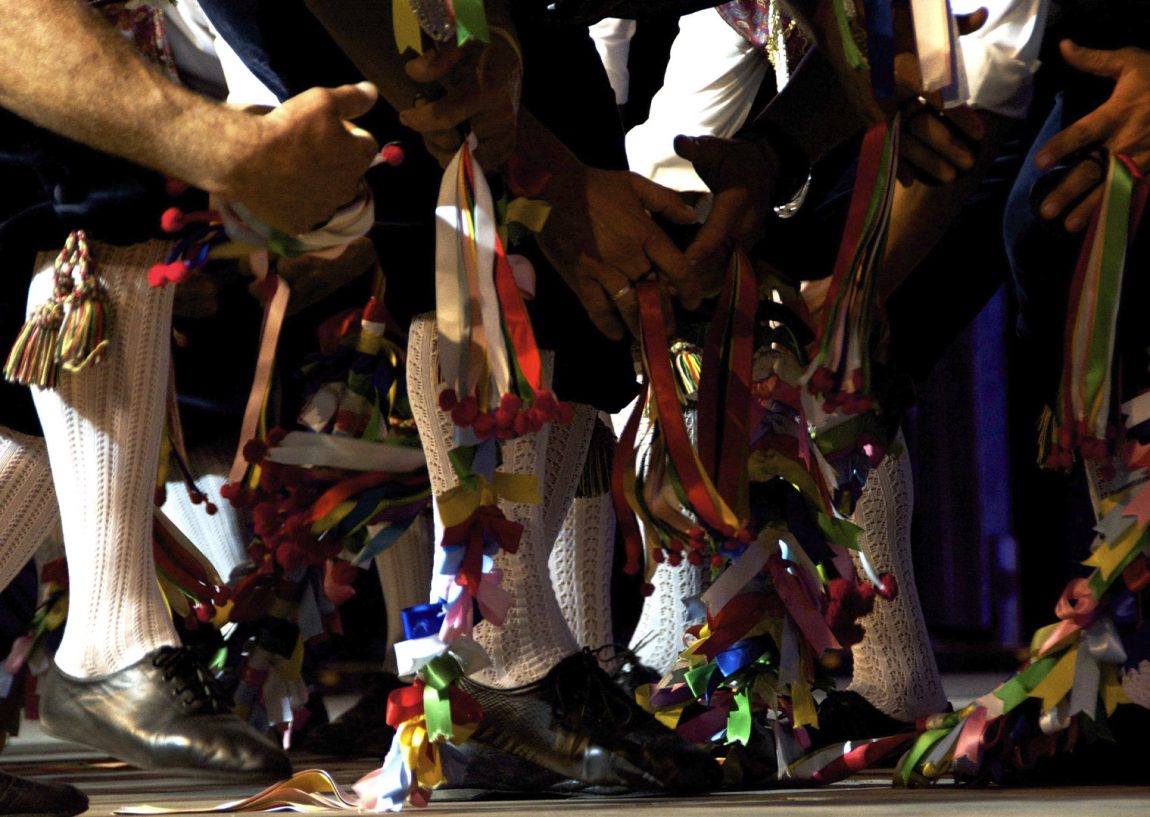

TRADITIONS
Villablanca has deep roots in its traditions, where music, dance, and religious devotion set the pace for its main celebrations.
The Dance of the Sticks is one of its most unique and ancient traditions, documented since the 16th century. It is a ritual dance of a pastoral nature performed before the image of the patron saint, in which the dancers, led by the “manigero,” intertwine sticks and colored ribbons to the beat of the music.
These traditional choreographies include various “mudanzas,” which are part of a structure that has been passed down from generation to generation.
The Patron Saint Festivities in honor of the Virgin of La Blanca, held in late August, are the most important event of the year in the municipality, featuring events such as the opening proclamation, the novena, and La Blanca Sunday.
Coinciding with these celebrations is the Villablanca International Dance Festival, which transforms the Plaza de la Constitución into a multicultural stage where groups from different countries share their traditional music and dances.
FUN FACTS
Villablanca retains a very distinctive urban layout, with a central plaza and streets arranged along a north-south axis—the result of its planning following the town’s founding in 1531—which gives it a unique character within the region.
Despite its more recent development, the Villablanca area is home to an important prehistoric legacy, including megalithic monuments such as the Dolmen de la Tenencia, which dates back some 5,000 years.
One of its most iconic landmarks is the Antonio Pérez Mill, a restored historic flour mill that offers views of the surrounding area and the rural landscape.
On clear days, from the surrounding area, you can even see the Ayamonte International Bridge over the Guadiana River, reinforcing its connection to the border region.
Local cuisine is also part of the town’s identity, with traditional dishes made with game meat and typical sweets such as coca and bollo pico, which keep the town’s time-honored recipes alive.
